2026 Best Injection Molding Process Tips for Global Buyers?
In the world of manufacturing, the injection molding process stands as a cornerstone for producing intricate plastic parts. Understanding this process is essential for global buyers aiming to enhance their product quality and operational efficiency. This article explores effective tips specifically tailored for 2026, equipping you with insights to navigate the complexities of injection molding.
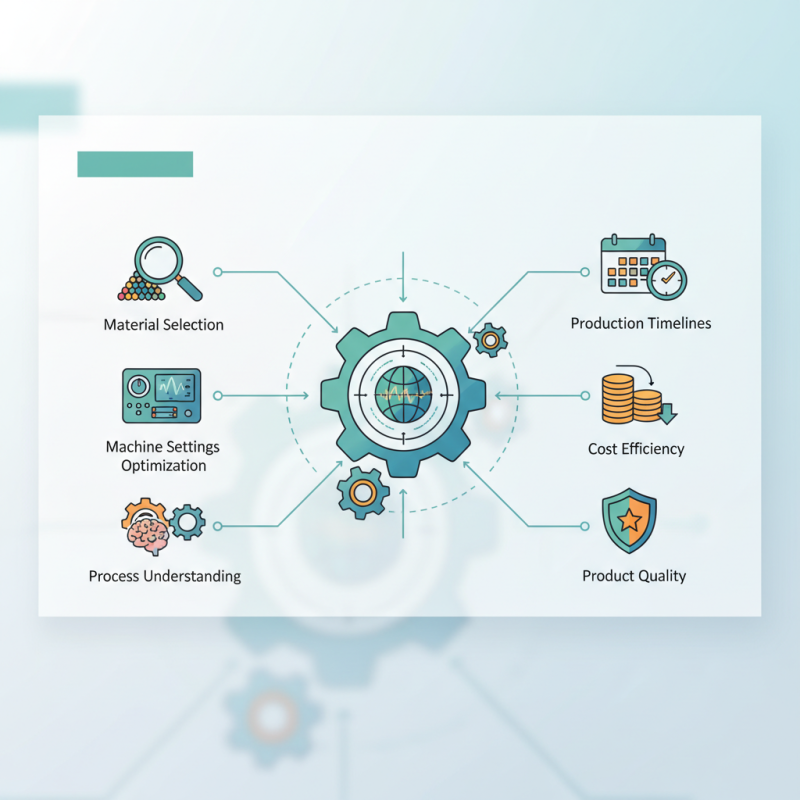
A well-executed injection molding process can significantly impact production timelines and overall costs. However, many face challenges when selecting materials or optimizing machine settings. Addressing these common pitfalls is vital for achieving desired outcomes. The experience shared here draws from industry experts, focusing on practical strategies that have yielded success.
It’s crucial to recognize that each injection molding project is unique. What works for one might not apply to another. Reflecting on past projects can offer valuable lessons. By honing in on specific details, buyers can make informed decisions that drive success in their endeavors. This guide aims to empower you to refine your approach and achieve excellence in the injection molding landscape.
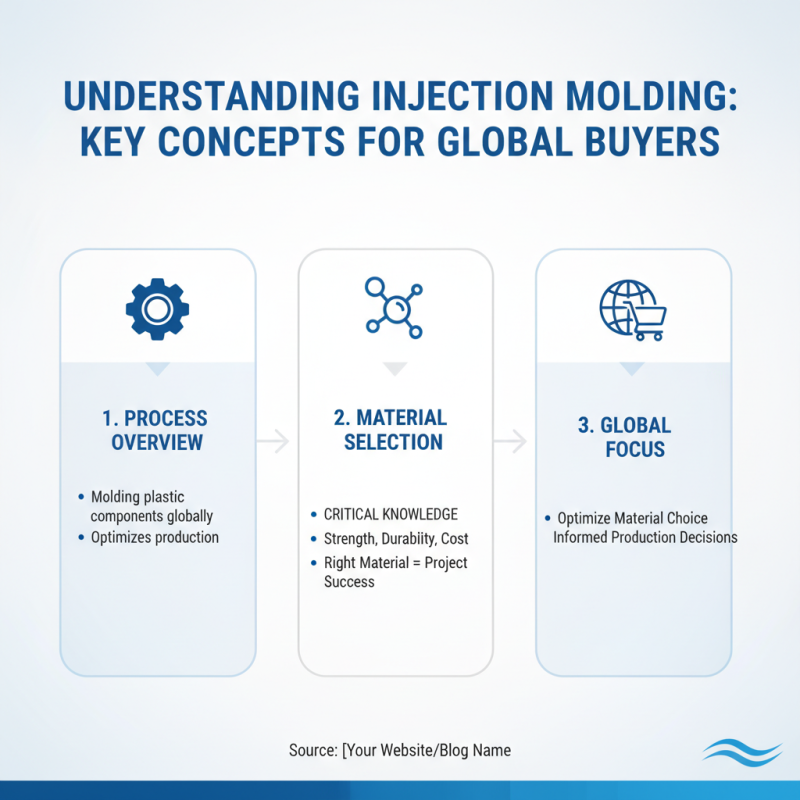
Understanding Injection Molding: Key Concepts for Global Buyers
Injection molding is a critical process for manufacturing plastic components worldwide. Global buyers must understand essential concepts to optimize their production. Knowledge of materials is vital. Different plastics yield varying results. Buyers should consider strength, durability, and cost. Selecting the right material can make or break a project.
Understanding machine settings is equally important. Parameters like temperature, pressure, and cooling time directly influence the final product's quality. Even slight adjustments can lead to defects or inconsistencies. Buyers often overlook this aspect, leading to costly errors. Monitoring these details can enhance productivity and reduce waste.
Collaboration with experienced engineers can refine the injection molding process. Their expertise can identify potential pitfalls and recommend improvements. However, it’s crucial to remain open to feedback. Continuous learning is essential for success in this field. Engaging in ongoing dialogue about techniques can uncover innovative solutions and foster growth.
Selecting the Right Materials for Effective Injection Molding
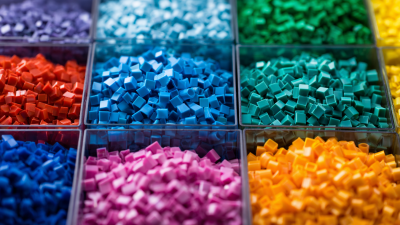
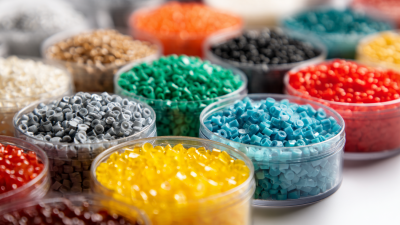
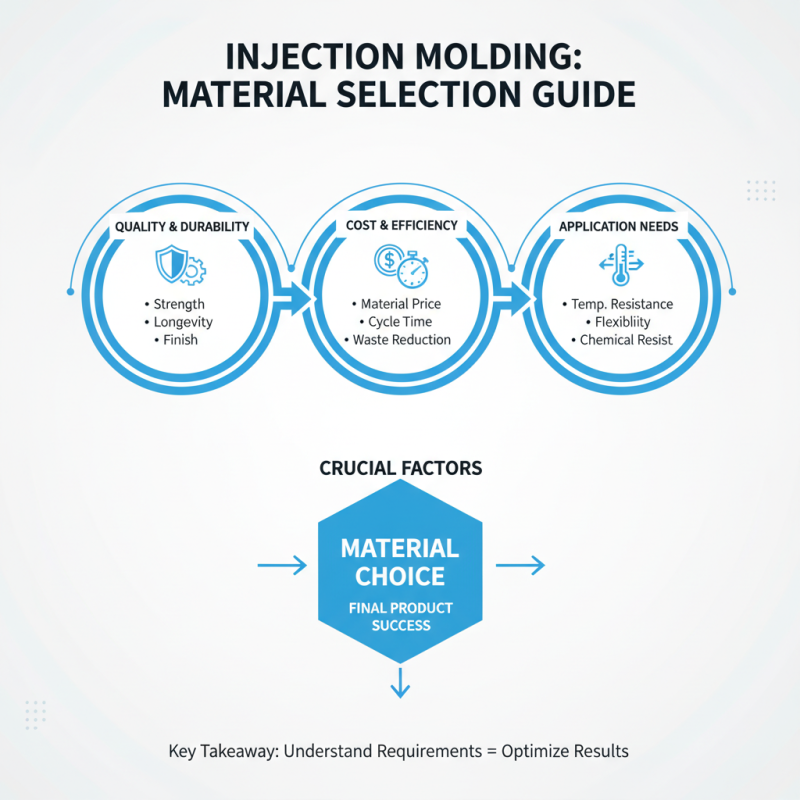
Selecting the right materials for injection molding is crucial. The material choice can significantly affect the final product's quality, durability, and cost. Consider the specific requirements of your application. Some projects may require high-temperature resistance, while others need flexibility. Understanding these needs is essential.
When selecting materials, quality and consistency are key. Look for suppliers who provide material data sheets. These sheets offer insights into physical and chemical properties. It's important to ensure that materials meet the necessary standards. Test samples for impact resistance and wear can guide your decision.
Here are a few tips for effective selection: Evaluate the environment where the final product will be used. Consider both mechanical and aesthetic factors. Engage with your suppliers. Their expertise can provide valuable insights. Remember, what works for one project may not suit another. Always stay informed about material advancements in the industry.
Optimizing the Injection Molding Process for Quality and Efficiency
Optimizing the injection molding process is crucial for ensuring quality and efficiency in production. A recent report by the Society of Plastics Engineers revealed that optimizing mold design can reduce cycle times by up to 30%. Effective mold cooling systems play a key role in maintaining uniform temperatures, which leads to better part quality. Studies show that inconsistencies in cooling can result in defects, increasing the likelihood of costly rework.
Another important factor is material selection. Using high-quality resins can improve the physical properties of molded parts. In fact, research indicates that the right resin can increase impact resistance by 20% compared to standard options. However, many manufacturers overlook this step, leading to subpar performance. Implementing a thorough material testing protocol can help identify the best options for specific applications.
Monitoring equipment performance is essential. Regularly checking machine settings and maintenance can prevent delays and ensure consistency. According to the American Injection Molding Institute, a 10% improvement in machine efficiency translates to significant cost savings. It's important to reflect on current practices and identify areas that require adjustment. A proactive approach can substantially enhance overall production quality and efficiency.
2026 Injection Molding Process Efficiency Analysis
Common Challenges in Injection Molding and How to Overcome Them
Injection molding is a complex process often fraught with challenges. One common issue is dimensional accuracy. According to a report by the Plastics Industry Association, approximately 15% of molded parts fail to meet specifications. This can lead to waste and increased costs. Rigorous quality control during the production phase is essential. Regular calibration of molding machines can mitigate this risk, ensuring that precision is maintained.
Another challenge is the choice of materials. A study from the Society of Plastics Engineers indicates that over 20% of production issues stem from improper material selection. It's vital to match the material properties with the final product requirements. To address this, create a checklist for your materials that details their characteristics, applications, and processing conditions. This can simplify decision-making and reduce errors.
Additionally, cooling time can affect cycle efficiency. Improper cooling can lead to warping. Analysis of cycle times shows that an optimized cooling phase can improve production speed by up to 30%. Implementing simulations to predict cooling behavior can help refine this aspect. Testing different cooling strategies in batches can also provide valuable insights into improving the process. Addressing these challenges can lead to significant improvements in production efficiency and cost savings.
Evaluating Injection Molding Suppliers: Essential Criteria for Buyers
When evaluating injection molding suppliers, consider several key criteria. Experience in the industry is crucial. Suppliers should have a solid track record of successful projects.
Look for those that can provide examples of past work. This demonstrates their capability and reliability, which are essential for building trust.
Another important factor is the quality of materials used. Suppliers should be transparent about their sourcing. High-quality materials lead to better end products.
Request information on raw material standards. It can give insights into the supplier’s commitment to excellence.
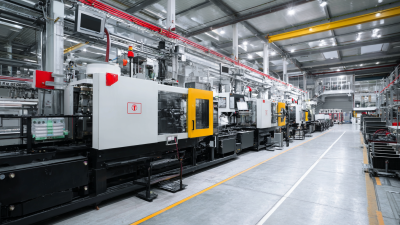
Tips for selecting the right supplier include assessing their technology. Advanced machinery often results in higher precision.
Inquire about their production processes and any certifications they hold. A well-equipped supplier is likely to meet strict quality standards.
Additionally, consider their customer service. Effective communication can ease the process and prevent misunderstandings. Make sure they are responsive to inquiries.