2026 Best Injection Molding Techniques and Innovations?
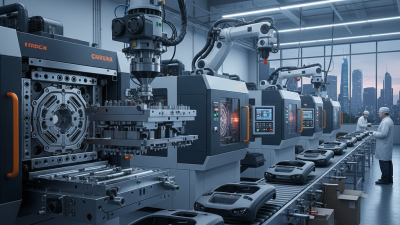
The world of injection molding is rapidly evolving. With new techniques and innovative technologies emerging, manufacturers face exciting opportunities. Injection molding remains crucial in producing high-quality plastic parts across various industries.
Emerging trends focus on sustainability and efficiency. Companies now explore bio-based materials and energy-efficient processes. Robust software solutions streamline design and production, yet challenges persist. Adapting to these innovations demands skilled personnel and continuous learning.
Some manufacturers struggle with integrating new technologies. While advancements promise cost savings, the initial investment can be daunting. Reflecting on these obstacles is key for future success. As we dive into the best injection molding techniques of 2026, staying adaptable is essential.
Overview of Injection Molding Techniques Used in 2026
Injection molding in 2026 showcases advanced techniques that enhance efficiency and reduce waste. New materials and improved technology are changing the landscape. The use of biodegradable plastics is on the rise. This shift offers a more sustainable option for manufacturers and consumers.
Tips: Always consider the environmental impact. Choose materials wisely. Research options that fit your project needs.
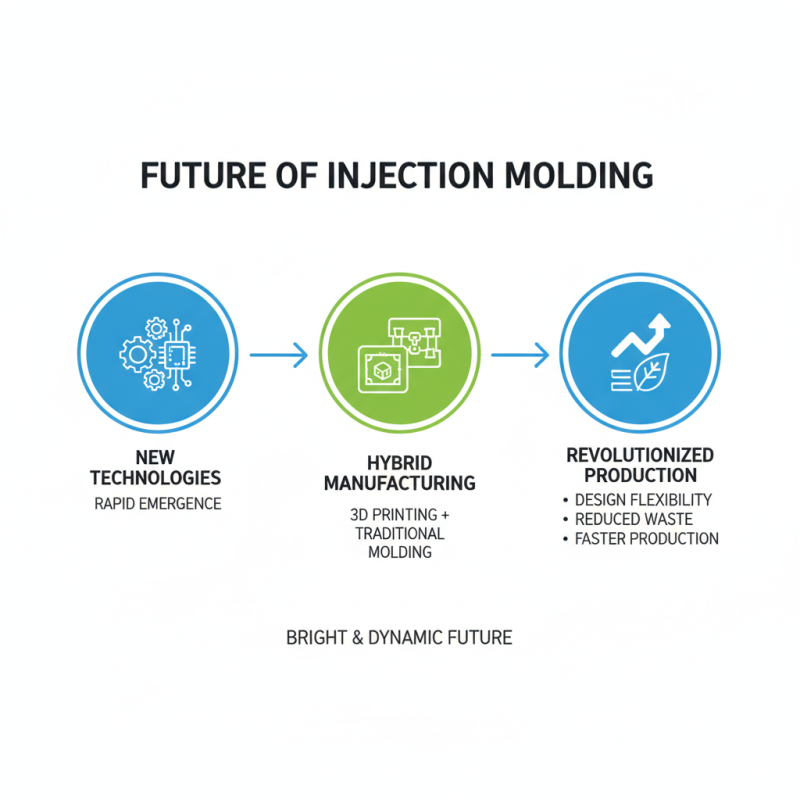
3D printing integration is another innovative method gaining traction. It allows for quick prototyping. Designs can quickly be adjusted, saving time and resources. Many companies experiment with hybrid manufacturing processes. Results can be inconsistent, requiring ongoing assessment.
Tips: Don't overlook trial and error. Regular testing can lead to breakthroughs. Monitor the performance of new techniques closely to refine methods.
Recent Innovations in Injection Molding: A Technical Review
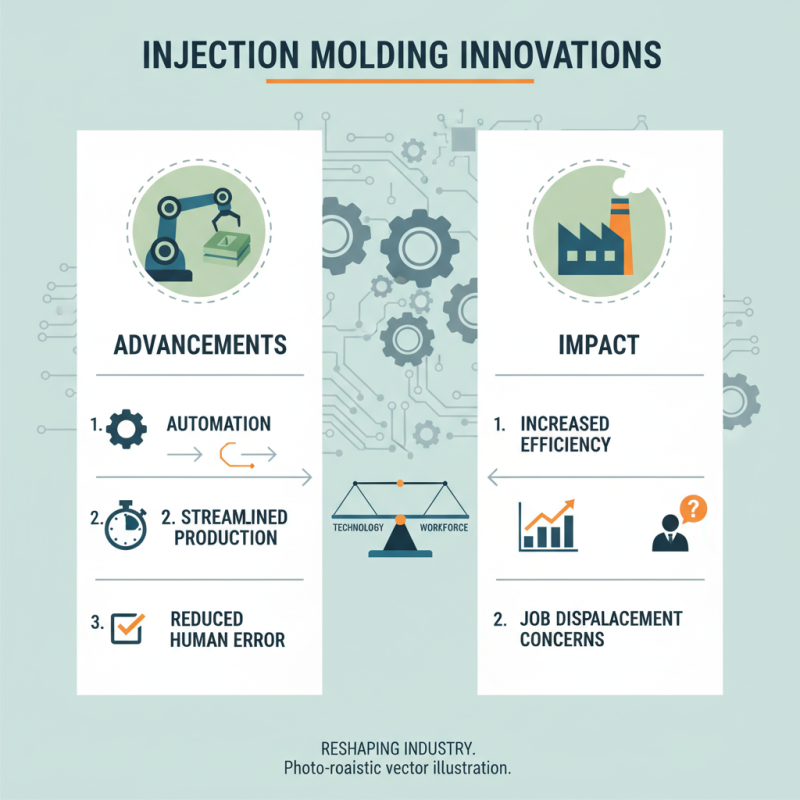
Recent innovations in injection molding have reshaped the industry. One of the key advancements is the integration of automation. Automated processes tend to streamline production. Robots handle repetitive tasks, reducing human error. This shift improves efficiency, but it also raises concerns about job displacement. The balance between technology and workforce needs is delicate.
Additionally, materials science has made significant strides. The development of biodegradable plastics presents both opportunities and challenges. These materials can help reduce environmental impacts. However, they may not always perform as well as traditional plastics. This discrepancy poses questions about their long-term usability in various applications. As manufacturers explore these new materials, careful testing is essential.
3D printing technology is also making waves in short-run injection molding. It allows for rapid prototyping and customization. Still, the transition to this method is not without its hiccups. The scalability of 3D printing for large-scale production remains uncertain. Some processes require adjustments in design and material handling. This need for adaptability highlights the ongoing evolution of the injection molding landscape.
Sustainable Practices and Materials in Modern Injection Molding
Sustainable practices in injection molding are gaining momentum. Recent studies show that nearly 60% of companies are now adopting eco-friendly materials. Recycled plastics and bio-based alternatives are becoming more popular. These materials help reduce landfill waste significantly. For instance, a report from the Plastics Industry Association reveals that recycled content can reduce energy consumption by up to 70%.
However, challenges remain. Many manufacturers still rely on traditional methods. They may find it difficult to transition to sustainable materials. Some processes can be costly and complex. Additionally, the performance of recycled materials might not match virgin plastics. This raises concerns about product durability and quality. While the shift toward sustainability is commendable, it requires careful consideration.
Investments in technology are crucial for overcoming these hurdles. New innovations in injection molding machines are making it easier to process sustainable materials. Companies must remain flexible and open to change. Embracing these advancements can lead to more sustainable production lines in the future. The journey toward sustainability is ongoing and requires collective effort.
2026 Best Injection Molding Techniques and Innovations
Challenges and Solutions in Injection Molding Technology Advances
Injection molding continues to face significant challenges as technology evolves. One major concern is the environmental impact of plastics. Reports indicate that around 79% of plastic waste ends up in landfills or the ocean. This highlights the urgent need for sustainable practices within the industry. Existing molding techniques often create excess waste due to inefficiencies. Advanced methods are necessary to address this growing issue.
Another challenge involves the speed and precision of injection molding. As production volumes increase, the demand for faster cycle times intensifies. Recent studies show that manufacturers can cut cycle times by 20-30% by implementing innovative technologies. However, achieving this often appears elusive. Issues such as material inconsistency and tooling wear create barriers that can hinder progress.
Moreover, the integration of smart technologies poses both opportunities and complications. While automation can enhance productivity, it requires considerable investment. Data from industry reports suggests that automation can reduce labor costs by up to 40%. However, companies must grapple with the initial financial outlay and the need for skilled personnel. It is crucial for the industry to find a balance between pushing for innovation and ensuring practical, sustainable practices.
2026 Best Injection Molding Techniques and Innovations
| Technique |
Innovation |
Challenges |
Solutions |
| Multi-material Injection Molding |
Enhanced product functionality and aesthetics |
High complexity of mold design |
Utilizing advanced simulation software for mold design |
| 3D Printing Integration |
Rapid prototyping and custom mold creation |
Material compatibility issues |
Researching hybrid materials for improved compatibility |
| Precision Injection Molding |
High accuracy in complex geometries |
Increasing production time and costs |
Optimizing cycle times through automation |
| Sustainable Materials |
Reduced environmental impact |
Higher raw material costs |
Incentivizing recycled material use through subsidies |
| Smart Injection Molding |
Real-time monitoring and maintenance |
Integration with existing systems |
Developing flexible IoT solutions for seamless integration |