How to Choose the Right Plastic Injection Molding Machine?
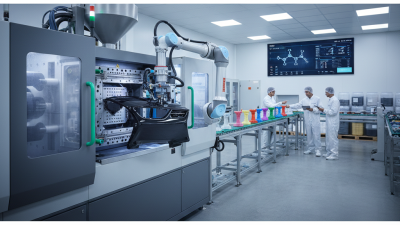
Choosing the right plastic injection molding machine is crucial for efficient production. Industry expert Dr. Emily Chen states, “Selecting the right machine directly impacts quality and cost.” With various options, understanding your needs is essential.
Plastic injection molding plays a vital role in manufacturing. The right machine ensures precision and efficacy. Factors like machine size, power, and features must match your production goals. Consider the materials you’ll use and the complexity of your designs.
Yet, many face challenges. Some machines may not deliver the expected performance. It's easy to prioritize cost over quality, leading to regrets later. A thoughtful selection process can prevent these pitfalls. Investing in the right plastic injection molding machine pays off in the long run.
Understanding Different Types of Plastic Injection Molding Machines
Choosing the right plastic injection molding machine requires understanding the various types available. There are several common categories. These include hydraulic, electric, and hybrid machines. Each type has unique advantages depending on production needs.
Hydraulic machines are known for their power. They can handle large and complex molds effectively. However, they may be less energy-efficient compared to others. Electric machines offer precision and speed. They are quieter and consume less energy, making them a popular choice for many manufacturers. Hybrid machines combine the best of both worlds, providing flexibility in operations.
When choosing a machine, it’s beneficial to assess production volume. Larger runs may favor hydraulic models, while smaller batches might be better suited for electric machines. Consider the types of materials used as well. Some machines handle specific plastics better than others.
Consider the workspace too. Machines have different footprints. A compact area may limit your options. Always evaluate maintenance requirements as well. A machine with low maintenance may save time and costs in the long run. Don't overlook the training needs for your staff. Investing in knowledgeable personnel can enhance productivity greatly.
Key Factors Affecting the Selection of Injection Molding Machines
When selecting an injection molding machine, several key factors come into play. The type of material you plan to use significantly impacts your choice. Different plastics require varying temperatures and pressures for optimal melting and shaping. Understanding these requirements ensures you choose a machine capable of handling your specific materials effectively.
Another crucial consideration is the machine's size and capacity. Evaluate the dimensions of the parts you intend to produce. Larger components may necessitate machines with a broader clamping force and more significant injection volume. Additionally, think about the cycle time. Machines that can operate efficiently will save time and reduce production costs, enhancing overall productivity.
The technology of the machine also matters. Some machines have advanced features like programmable controls and automation capabilities. These enhancements can simplify operation and improve precision. However, investing in sophisticated technology might not always be necessary. Assess whether the potential advantages align with your production needs. Balancing between advanced features and essential functionality requires careful thought. The path to finding the right machine is rarely straightforward. Being aware of these details can lead to better decision-making.
How to Choose the Right Plastic Injection Molding Machine? - Key Factors Affecting the Selection of Injection Molding Machines
| Key Factors |
Description |
Considerations |
| Machine Type |
Choose between hydraulic, electric, and hybrid machines based on efficiency and application needs. |
Hydraulic for larger parts, electric for precision, hybrid for flexibility. |
| Clamping Force |
The strength required to hold the mold together during injection. |
Calculate based on part size and material characteristics. |
| Shot Weight |
Maximum amount of material that can be injected in one cycle. |
Consider the size of the molded part and total production volume. |
| Cycle Time |
Time taken to complete one injection cycle. |
Impacts production efficiency and cost; strive for shorter cycle times. |
| Energy Consumption |
Efficiency in power usage during operation. |
Consider machines with lower energy costs for long-term savings. |
| Mold Compatibility |
Ensure the machine can accommodate the size and type of molds used. |
Check mold dimensions and type of ejection required. |
| Control System |
Evaluate the complexity and user-friendliness of the machine's controls. |
Advanced systems can offer better precision but may require more training. |
Evaluating Machine Specifications: Clamping Force and Shot Size
Choosing the right plastic injection molding machine is crucial for efficiency and quality. A significant factor to evaluate is the machine's clamping force. This force is essential for maintaining mold integrity during the injection process. Insufficient clamping force may lead to defects, such as flash or poor part quality.
When assessing clamping force, consider the size and weight of the molds you will use. Always calculate the required clamping force by analyzing the projected area of your part and the specific material properties. Each material has its own behavior under pressure, so understanding this can prevent costly mistakes.
Shot size is another critical specification. It determines the amount of material injected per cycle. Insufficient shot size can result in incomplete parts. However, an oversized shot can lead to wasted material and excess pressure. Aim for a machine that offers flexibility in shot size to accommodate various projects.
Reflect on your production needs. Are your parts large or small? High precision or fast production cycles? Tailoring your choice to your specific requirements can save time and reduce errors. Finding a balance in machine specifications is vital for long-term success in plastic injection molding.
Assessing Energy Efficiency and Production Costs in Injection Molding
When selecting a plastic injection molding machine, energy efficiency and production costs are crucial factors. Energy consumption significantly impacts long-term expenses. Machines that offer better energy efficiency may have a higher initial cost but can save money over time. Look for features such as servo motors, which enhance efficiency and minimize waste.
Assessing production costs involves understanding the entire manufacturing process. Calculate the costs of materials, labor, and machine maintenance. Determine the cycle time for each part. Shorter cycle times can lead to lower production costs. However, consider the quality of the parts produced. Poor quality can lead to rework and higher costs, negating any savings achieved through faster production.
To enhance energy efficiency, evaluate the machine's capabilities and footprint. Smaller machines often consume less energy and have lower operating costs. Additionally, investing in machines with modern technology can lead to better performance and less downtime. Monitor your energy use regularly to identify areas for improvement. This proactive approach can result in significant savings and a more sustainable production process.
Importance of Supplier Support and Maintenance Services in Machinery Choice
When selecting a plastic injection molding machine, the importance of supplier support and maintenance services cannot be understated. A reliable supplier offers not just the machine but also invaluable expertise. They should provide training for your team on operation and troubleshooting. This ensures that your employees can handle common issues without delays. An engaged supplier becomes a vital partner, ensuring your machinery runs smoothly.
Maintenance services from your supplier play a crucial role in the machine's longevity. Regular check-ups can prevent unexpected breakdowns. A good maintenance plan outlines frequency and scope. It’s not always perfect, though. Some suppliers may not offer timely service, leaving you vulnerable when issues arise. Understanding the warranty and service conditions is essential, as poor support may lead to frustration in the future.
Ultimately, the relationship with your supplier sets the tone for your manufacturing success. Consider communication practices and responsiveness before making a choice. Hesitations often surface when service expectations are not met. A thorough evaluation of potential suppliers can help alleviate doubts. Investing in a machine is just the beginning; robust support and maintenance ensure you maximize your investment.
Comparison of Key Factors in Choosing a Plastic Injection Molding Machine