Choosing the right injection molding supplier can determine whether a product reaches the market smoothly or becomes an expensive series of delays. A capable partner does more than press plastic into steel. The supplier should understand material behavior, mold design, production control, and the practical demands of your final application.
Price is not proof.
A low quotation may hide weak tooling, unclear tolerances, or unstable process control. During supplier evaluations, examine sample parts under real conditions. Check their surface finish, flash, warpage, color consistency, and dimensional results. Ask how they manage mold maintenance, material traceability, inspection records, and production changes. A reliable supplier should explain these details clearly, not avoid them with broad promises.
Experience matters here. An experienced engineering team can identify a difficult draft angle before it becomes a tooling charge. It may also recommend a resin with better impact strength or heat resistance. Review previous projects that resemble your part’s size, complexity, and expected volume. Factory visits, video audits, and transparent quality reports can reveal more than polished presentations.
Still, supplier selection is rarely perfect. Teams sometimes focus heavily on unit cost and overlook communication speed or backup capacity. That mistake costs time. A strong partnership depends on clear design-for-manufacturing feedback, realistic lead times, documented quality standards, and responsive problem solving. The right injection molding supplier should support improvement, not simply accept drawings and wait for instructions. Look for evidence, ask precise questions, and leave room for honest reassessment.

Define your injection molding project requirements before contacting any supplier. Start with the part’s function, dimensions, material, surface finish, and expected service conditions.
Describe temperature exposure, chemical contact, load demands, and color requirements clearly. A supplier cannot recommend reliable tooling from a vague sketch.
Specify your annual volume and launch schedule. These details influence mold cavities, machine size, automation, and production planning.
Include critical tolerances, inspection methods, and acceptable cosmetic limits. For example, a housing may require a 0.1-millimeter alignment tolerance and a textured exterior. Details matter.
Also identify packaging, labeling, and shipment requirements early.
Ask for evidence of relevant experience, process controls, and quality records. Useful documents include material certificates, dimensional reports, mold-flow analysis, and sample approval procedures.
Confirm who owns the mold and how design changes will be managed. I have seen projects lose time because teams discussed unit price before defining inspection criteria.
That approach looked efficient, but it created expensive revisions later.
Reconsider assumptions about “standard” requirements; wall thickness, draft angles, and shrinkage vary with each resin and geometry.
Share a complete 3D model, drawings, and revision history. Keep communication practical.
A capable supplier should question unclear requirements, not simply accept every drawing.
Choosing an injection molding supplier requires more than comparing hourly rates. Examine its experience with materials, tolerances, and similar part geometries. Ask for anonymized case examples, process records, and references from comparable projects. A capable team should explain draft angles, wall thickness, shrinkage, and likely molding defects in practical language.
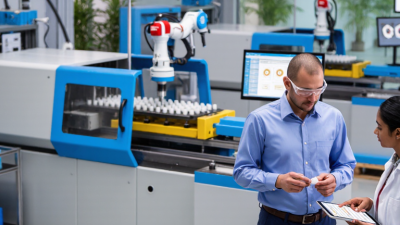
Inspect the equipment, not just the equipment list. Check machine tonnage, shot size, clamping accuracy, mold temperature control, and automation. Ask how often machines receive preventive maintenance. Request recent calibration records for critical measuring tools. A clean floor, labeled materials, and stable process charts often reveal more than polished presentations. Watch the process.
Production capacity needs careful verification. A supplier may have twenty machines, but only three may suit your mold. Ask about current utilization, shift patterns, mold-change time, and backup capacity. Confirm whether skilled operators, maintenance staff, and quality inspectors are available during every shift. Capacity is not availability. A realistic supplier should provide lead-time assumptions and explain what could delay output.
Review sample inspection reports and traceability practices before approving production. Quality data should connect each batch to material certificates, machine settings, operator checks, and inspection results. Still, no assessment is perfect. A successful trial run can hide problems during longer production. Request a small pilot order, measure the actual cycle time, and compare promised results with recorded results. Numbers can mislead. Reflect on weaknesses, not only strengths.
How to Choose the Right Injection Molding Supplier?
When choosing an injection molding supplier, examine its quality system beyond a framed certificate. Ask for documented inspection procedures, corrective action records, and process control plans. A certificate alone proves little. Review how the supplier handles mold changes, dimensional checks, and customer complaints. Look for calibrated measuring tools and traceable inspection results. During a site visit, observe whether operators follow clear work instructions. If production depends on memory, quality may vary between shifts. That detail matters. Experienced suppliers should explain their controls using real production examples, not vague promises.
Material control deserves equal attention. Require resin identification, batch records, storage conditions, and certificates of analysis for each lot. Match the material grade with temperature, strength, chemical, and appearance requirements. Ask how rejected or expired materials are isolated. For medical, automotive, or other controlled applications, verify relevant certifications, such as ISO 13485 or IATF 16949, when appropriate. These standards support discipline, but they do not replace technical judgment. I would also compare certification scope with your actual project. A supplier may hold a valid certificate that excludes your process. Probe that gap. Review audit dates and renewal status. Small missing records can reveal larger weaknesses. Be willing to reconsider an impressive presentation when the evidence feels incomplete.
How to Choose the Right Injection Molding Supplier?
Pricing matters, but the lowest quote can hide important costs. Ask for a detailed breakdown covering tooling, resin, sampling, packaging, and shipping. An experienced supplier should explain each assumption clearly. Compare identical specifications, not only final totals. A cheaper mold may require more maintenance or produce higher scrap rates. Request sample parts and inspect wall thickness, surface finish, and dimensional results. That evidence is more useful than confident promises.
Lead time should include design review, mold fabrication, testing, production, and delivery. Ask what happens if a trial fails. Communication is equally important. During a project, unclear replies can delay decisions by several days. Choose a team that provides named contacts, inspection records, progress photos, and realistic updates. Weekly communication is helpful, but daily messages are not always better. I have found that precise questions often reveal more than polished presentations.
Tips: Create a comparison sheet with price, lead time, response time, quality documents, and after-sales support. Ask suppliers to identify their biggest project risk. Their answer may expose weak planning. Confirm whether spare parts, mold adjustments, and production support are included. Support after delivery matters, especially when dimensions drift or a machine setting changes. No supplier performs perfectly. A reliable partner admits problems early and proposes measurable corrective actions.
How to Choose the Right Injection Molding Supplier?
A polished sample proves little without process evidence. Request production samples, dimensional inspection reports, material certificates, and mold-maintenance records. Check critical features under normal lighting, not only in promotional photographs. Ask whether the sample came from the proposed machine, tooling, and resin. Small differences in shrinkage or gate location can affect assembly.
References should include customers with similar volumes, tolerances, and delivery demands. Speak with at least two references directly. McKinsey’s 2022 supply-chain resilience survey reported that 73% of companies adopted dual sourcing, showing why supplier continuity matters. A capable supplier should explain backup equipment, qualified subcontractors, resin availability, and recovery plans. Experience matters, but it can still become complacency.
Tips: Put measurable obligations into the contract. Define acceptable defect limits, first-article approval, mold ownership, revision control, response times, inspection methods, and remedies for late delivery. Request monthly evidence, such as on-time delivery, scrap rate, corrective-action closure, and capacity utilization. ISO 9001 certification supports a quality system, but certification alone does not guarantee reliable molding. Visit the factory if possible. Observe labeled material storage, dry-room discipline, mold racks, and traceability at the production line. One uncomfortable question is useful: “What usually goes wrong here?” Honest hesitation may reveal more than a perfect presentation. Long-term reliability requires review. Conduct quarterly business reviews, reassess capacity annually, and keep a qualified second source before an emergency exposes the gap.
A practical 100-point supplier evaluation scorecard covering sample quality, references, contract protection, and long-term reliability.
Use these weights to compare shortlisted suppliers consistently. Review molded samples and inspection records first, verify references and production capability, then confirm quality terms, delivery commitments, tooling ownership, change control, and ongoing support in the contract.
880 W 9th Street
Upland, California 91786
884 W 9th Street
Upland, California 91786
886 W 9th Street
Upland, California 91786
884 W 9th Street
Upland, California 91786