How to Choose a Precision Plastics Supplier?
Choosing a precision plastics supplier means evaluating more than a sample part. A clear polycarbonate housing, a thin molded wall, or a tiny burr around a connector can reveal process control—or its absence. Ask how the supplier manages tooling, material traceability, dimensional inspection, and production changes. Then check whether those controls apply consistently across shifts and production runs.
The scale is significant. The Plastics Industry Association’s 2023 Size and Impact report estimated that the broader U.S. plastics industry generated $548.2 billion in shipments in 2022. That figure is not specific to precision plastics, but it shows the reach of the supply chain. ISO’s 2022 Survey recorded 1,265,216 ISO 9001 certificates worldwide across industries. Certification can support confidence; it does not prove that a supplier can hold your tolerances or prevent defects. Look for relevant process records, inspection results, and examples involving similar parts.
Quality-management expert W. Edwards Deming wrote, “Quality comes not from inspection, but from improvement of the production process.” His principle matters when comparing suppliers: a polished inspection report cannot replace stable molding conditions and corrective action. Ask what happens when a cavity drifts, a resin lot changes, or a measurement falls outside specification. Listen for specific answers. Details matter. A supplier may look strong on paper, yet still leave unanswered questions about capacity or communication. That deserves a closer look.

Define Your Precision Plastic Part Requirements
How to Choose a Precision Plastics Supplier?
Define Your Precision Plastic Part Requirements
Before requesting a quote, describe what the part must do, not just how it should look. List its operating temperature, chemical exposure, load, and expected service life. A clip inside a warm appliance has different needs from a clear cover handled every day. Include a drawing with critical dimensions, datum points, and tolerances. Mark which dimensions affect fit or function. Making every tolerance extremely tight can raise costs without improving performance.
Specify the material by required properties, such as impact resistance, stiffness, color, or light transmission. If you have a preferred resin, note it, but allow discussion of suitable alternatives. Add details about wall thickness, ribs, holes, draft angles, and surface finish. These features influence molding and may create sink marks or warping. Small details matter.
State the expected order volume and whether demand may change. Include packaging, inspection, and any assembly needs. A supplier can then assess tooling, process controls, and practical inspection methods. Ask how critical dimensions will be measured and what sample approval will involve. A clear specification helps prevent surprises, though it may still need revision after initial samples. That is normal. Review samples under realistic conditions, not only on a clean desk. A part that fits once may behave differently after heat, repeated use, or assembly.
How to Choose a Precision Plastics Supplier? — Define Your Precision Plastic Part Requirements
Example tolerance targets for a molded plastic part. These are illustrative customer requirements, not universal process capabilities.
Specify tolerances for critical features, such as mating holes and snap-fits, separately from less critical dimensions. Confirm feasibility with suppliers using the part geometry, resin, tooling approach, and inspection method.
Assess Supplier Capabilities and Manufacturing Processes
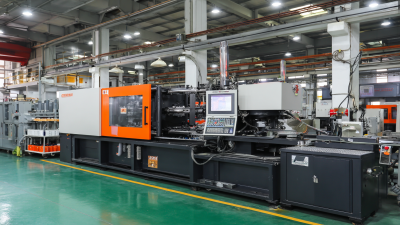
Assess a precision plastics supplier by walking through its process, not just its equipment list. Ask how engineers review part geometry, select resin grades, and control shrinkage before cutting a mold. Request evidence from comparable jobs: inspection plans, capability studies, and dimensional reports. For a molded housing, check whether the supplier measures critical features after cooling, not only at the press. Small details matter. Ask how resin lots are traced and process changes documented. A polished capability sheet can still hide gaps between prototype work and repeat production.
Manufacturing data systems also matter. Deloitte’s 2024 Smart Manufacturing Survey found that 86% of surveyed manufacturing executives viewed smart manufacturing as a primary driver of competitiveness over the next five years. For buyers, that means asking whether press settings, inspection results, and nonconformance records can be linked to each production lot. Review the supplier’s actual workflow, including sampling frequency and corrective-action timing. Confirm that its metrology equipment suits your tolerances; a basic caliper cannot verify every tight feature. Request a sample first-article report and discuss how it was produced. A supplier may say its process is stable, but the data should show variation across runs. Even then, one excellent sample proves little. Production consistency takes evidence.
Verify Quality Systems, Certifications, and Material Traceability
How to Choose a Precision Plastics Supplier?
Verify Quality Systems, Certifications, and Material Traceability
A supplier’s certificate is a useful starting point, not proof that every part will meet your requirements. Check that the certification is current and covers the actual production site and processes. Ask how inspections, calibration, and nonconforming parts are documented. A capable quality team should explain its controls clearly, without relying on vague assurances.
Traceability matters when a molded component needs investigation later. Request a sample record linking a finished-part lot to its resin grade, material batch, production date, and inspection results. Confirm how long records are kept and how changes to materials or processes are approved. Paperwork is not proof. Check that the records match the labels and process documents used on the floor. In practice, small gaps can appear between systems; ask how the supplier finds and corrects them.
Tips: Review a recent certificate of analysis and a redacted lot record. Ask the supplier to walk through one batch from receiving to shipment. Compare the resin specification, lot numbers, and inspection data. If answers are unclear, request a follow-up with the quality lead. A short review can reveal more than a thick presentation.
Evaluate Communication, Capacity, Lead Times, and Cost
A precision plastics supplier should make technical communication clear before a purchase order is issued. Ask how engineers handle drawing changes, tolerance questions, and material substitutions. A useful reply identifies risks, not just a price. For example, a supplier might flag a thin rib that could warp during cooling and suggest a design review. Notice how quickly questions reach the right person. Fast replies matter, but accurate answers matter more. A polished sales call can still hide a slow engineering handoff.
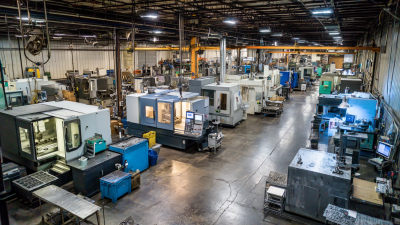
Check capacity with specific production details. Ask which presses can run your part, how much capacity is available during your target month, and whether tooling maintenance is scheduled. Request a timeline that separates mold construction, first-article inspection, revisions, and routine production. “Four weeks” means little without these steps. Confirm how delays are reported and what happens if a sample misses tolerance. I used to focus on the quoted delivery date; that was too simple. A realistic schedule includes room for corrections.
Compare costs beyond the unit price. Request separate estimates for tooling, resin, setup, inspection, packaging, and freight. Ask what volume assumptions support the quote, and whether resin price changes affect later orders. A lower price may rely on fewer inspections or a larger minimum run. Check those assumptions against your actual demand. Some estimates still leave gray areas. Put open questions in writing before approving the tooling or production plan.