What is a Punch Press Machine and How Does it Work?
A Punch Press Machine is a vital tool in metalworking and manufacturing. It plays a crucial role in shaping and cutting materials with precision. These machines apply significant force through a die and punch mechanism. This enables the creation of intricate designs and parts for various industries, from automotive to electronics.
Operating a Punch Press Machine requires skill and knowledge. Understanding the mechanics involved is essential for efficiency. While these machines are powerful, they demand careful operation to ensure safety and minimize errors. Mistakes can lead to material waste or equipment damage. This highlights the importance of proper training.
With advancements in technology, Punch Press Machines have evolved. Modern models offer enhanced capabilities and automation features. However, they still require human oversight. This interplay between machine efficiency and operator expertise is critical for achieving high-quality production. Exploring the functionality of a Punch Press Machine reveals its importance in today's manufacturing landscape.
What is a Punch Press Machine?
A punch press machine is a vital tool in manufacturing, primarily used for shaping and cutting materials. Typically, it employs a sharp die to punch holes or create features in sheets of metal or other materials. The machine operates through mechanical or hydraulic means to exert significant force. This force allows it to penetrate the material effectively, ensuring precise and clean cuts.
The heart of a punch press is its die set, which determines the shape and size of the finished product. A punch and die work together in a repeating cycle. Each time the machine operates, it can produce hundreds of identical parts quickly. However, setting up the dies can be challenging. If aligned improperly, it may lead to defects or wasted materials. This requires careful planning and sometimes, trial and error.
Operators of punch press machines need to be well-trained. They must understand the machine’s capabilities and limitations. Safety is paramount, as these machines can be dangerous if not used correctly. Proper training reduces the risk of accidents and ensures high-quality output. Awareness of common issues can lead to improvements over time, fostering a culture of continual learning in the workplace.
Punch Press Machine Production Capabilities
Key Components of a Punch Press Machine
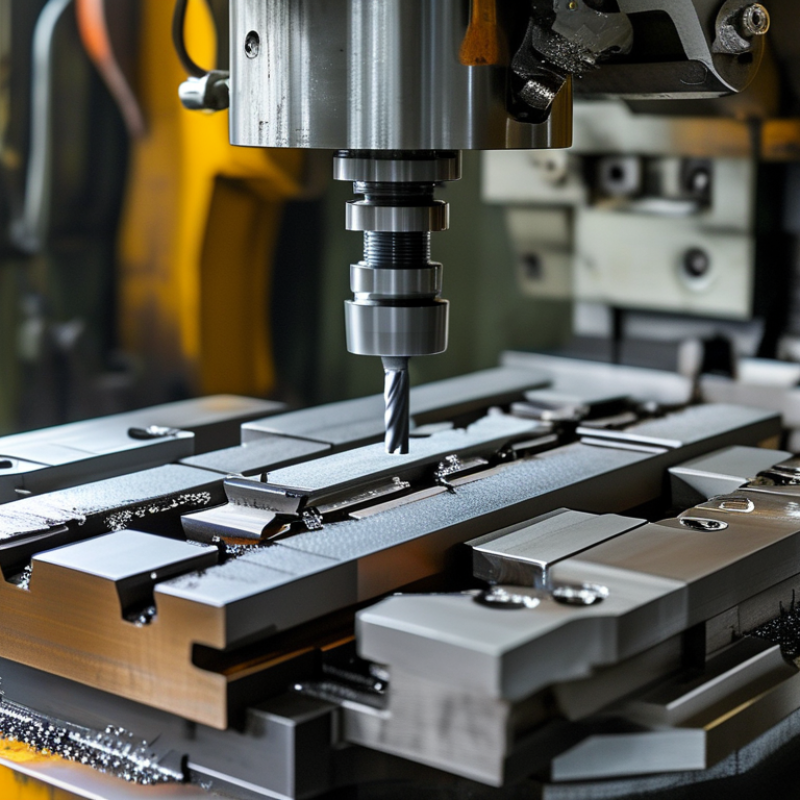
A punch press machine is a vital tool in manufacturing, especially for metal forming. Understanding its key components is essential for effective use. The main parts include the ram, die, punch, and bed. The ram is the moving part that applies pressure. The punch creates the shape, while the die holds the material. The bed supports the workpiece during the operation.
Industry reports indicate that the global punch press market will reach over $20 billion by 2025, reflecting its importance. Regular maintenance of these components can prevent costly downtimes. Operators should check the alignment of the punch and die regularly. This ensures precise cuts and shapes, enhancing overall production quality.
Tips for new users: Always familiarize yourself with the machine's control systems. Understanding these systems can improve safety and efficiency. Additionally, consider using lubricants to extend the lifespan of moving parts. Regularly inspecting your equipment contributes to a safer working environment. Remember, each component plays a crucial role, and neglecting one can lead to errors in production.
Types of Punch Press Machines and Their Applications
Punch press machines come in various types, each serving distinct manufacturing needs. Mechanical punch presses are known for their reliability and speed. They utilize a flywheel mechanism to generate high-speed operations. This type is ideal for high-volume production. Hydraulic punch presses, on the other hand, offer greater force and flexibility. They are commonly used for heavy-duty applications. Their ability to work with thicker materials sets them apart.
Another type is the servo-driven punch press. This machine combines efficiency with precision. It allows operators to adjust speed and force, tailoring the process to specific tasks. However, it is not without challenges. Operators need extensive training to maximize its capabilities. Each type of punch press machine plays a unique role in manufacturing industries. Understanding these differences helps companies choose the right equipment for their needs. Emphasizing the specifics of each type can lead to better production outcomes.
How a Punch Press Machine Operates Step by Step
A punch press machine is a vital tool in metalworking. It delivers force to cut or form materials. Understanding how it operates can enhance its efficiency.
To begin with, the operator selects the right punch and die for the task. This choice affects precision and material quality. The sheet metal is then placed within the machine’s workspace. Proper alignment here is crucial. As the machine activates, a ram descends, driven by hydraulic or mechanical power. This force is critical in shaping or cutting the material. Observing the speed and force can reveal potential issues.
Next, once the punch descends, it pierces through the sheet metal. The die absorbs the impact. After the punch completes its stroke, the ram returns to the starting position. Observing this return is essential for ensuring the next cycle is initiated smoothly. Occasionally, jams occur, indicating a misalignment issue or improper setup. Regular inspection of components helps in maintaining effective operation. Noticing these small details can save time and resources.
Benefits of Using a Punch Press Machine in Manufacturing
A punch press machine is a vital tool in manufacturing. It efficiently shapes metal through a precise punching process. This machinery is capable of producing various parts quickly and accurately. The main benefit of using a punch press is its ability to create complex shapes. It can handle thick materials, making it versatile for different applications.
Using a punch press machine can significantly increase production efficiency. The speed of the machine allows manufacturers to meet high demand. Additionally, it reduces material waste, which is a critical aspect of sustainability. Skilled operators can fine-tune the machine settings for optimal performance. However, not all operators have the necessary expertise. Some may overlook vital safety protocols, posing risks on the factory floor.
Maintenance is another thoughtful practice that affects productivity. Regular checks can prevent unexpected breakdowns. Skipping these can lead to costly repairs. Operator training is essential but sometimes neglected, leading to improper handling. This gap represents an area for improvement in many facilities. It emphasizes the need for creating a culture of safety and knowledge sharing. Investing in training can enhance overall efficiency and reliability.