Top 10 Injection Molding Materials You Should Know?
Injection molding is a vital manufacturing process that shapes various materials into products. Understanding the right injection molding materials is crucial for successful production. The choice of material impacts not only the durability and strength of the product but also its overall performance.
Different applications require different types of injection molding materials. For instance, some projects need the heat resistance of thermoplastics, while others benefit from the flexibility of elastomers. The right material allows for better design and functionality. However, selecting the best material can sometimes be confusing and overwhelming.
Many companies struggle to navigate the vast options available. The market offers a multitude of choices, each with its own characteristics. This article provides insights into the top ten injection molding materials you should know. By exploring these options, you’ll gain a better understanding of how to select the right material for your projects.
Overview of Injection Molding Materials
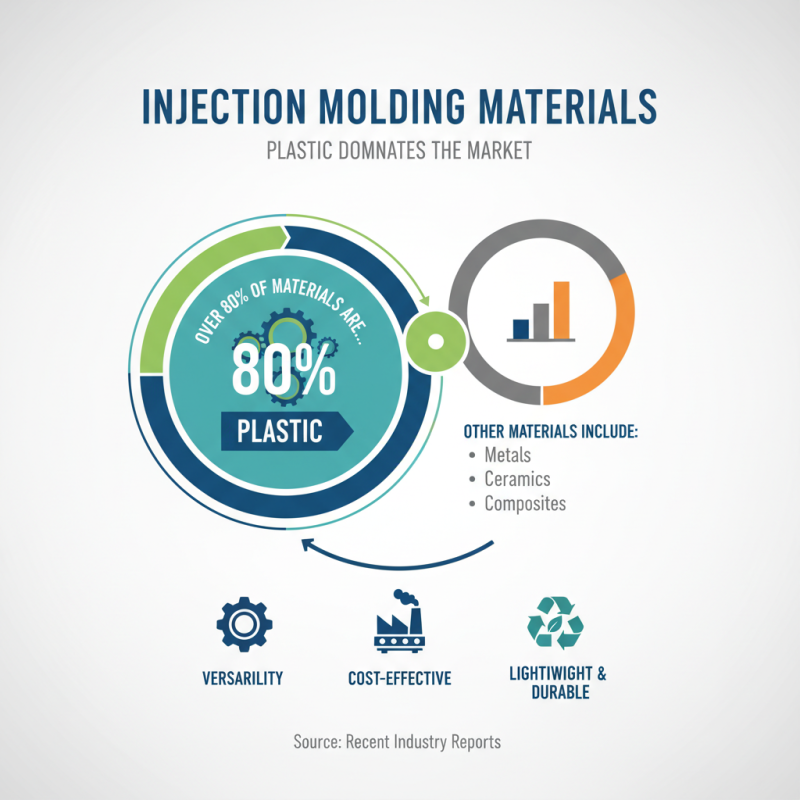
Injection molding is a widely used manufacturing process, and selecting the right materials is crucial. Various materials offer unique benefits. According to recent industry reports, plastic accounts for over 80% of injection molding materials. This emphasizes its significance in the market.
Common materials include polyethylene, polypropylene, and polystyrene. Polyethylene is durable and resistant to chemicals. Polypropylene is known for its flexibility and lightweight nature. These materials are popular for consumer products and industrial applications. However, choosing the wrong material can lead to product failure. This often results in costly rework.
**Tip:** Always consider the end-use when selecting materials. Different applications may require specific properties. Support your decision with data. Research and consult industry resources for insights.
In addition, sustainable options are gaining traction. Biodegradable polymers are now used in various sectors, reflecting a shift towards greener practices. However, these materials may not always match the performance of traditional plastics. It’s a thought-provoking challenge for manufacturers. Balancing sustainability with functionality requires critical evaluation.
Key Properties of Ideal Injection Molding Materials
When selecting materials for injection molding, key properties are crucial. Temperature resistance is vital for many applications. Materials must withstand heat without deforming.
Durability is also essential. Products need to endure wear and tear over time. Strong tensile strength prevents breakage during use.
Another important property is chemical resistance. Some materials encounter harsh substances. They must maintain integrity under these conditions. Additionally, ease of processing matters. Materials should flow smoothly during molding. This reduces production time and costs.
Finally, recyclability is increasingly relevant. Eco-friendliness can enhance a product's appeal. However, not all materials meet these standards. Some options can be tough to recycle, creating waste. Choosing the right injection molding material means balancing these properties. It's a continuous learning process for designers and manufacturers.
Top 10 Most Commonly Used Injection Molding Materials
Injection molding is a popular manufacturing process, widely used for creating plastic parts. The materials chosen for this process greatly influence the end product's quality and performance. Here are some of the most commonly used injection molding materials.
Polypropylene, often noted for its versatility, is a lightweight material with good chemical resistance. It’s easy to mold and can be used in various applications. However, it may lack the strength needed in some contexts. Acrylonitrile Butadiene Styrene (ABS) is another favorite. Its durability and impact resistance make it ideal for consumer goods. Yet, it can be susceptible to UV degradation over time.
Polycarbonate is known for its clarity and toughness. It's used in applications requiring transparency, like light covers. However, it can be costly and more challenging to process. Polyethylene, on the other hand, is widely available and can be molded easily. While it's economical, it may not always provide the rigidity needed for certain products. Each of these materials has strengths and weaknesses, reminding us of the complexities of material selection in injection molding.
Top 10 Injection Molding Materials You Should Know
Applications and Industry Uses of Each Material
When it comes to injection molding materials, the choice is vast.
Polypropylene is widely used due to its lightweight and chemical resistance.
It's common in automotive parts and packaging. However, its low melting point can be a drawback for high-heat applications.
This requires careful consideration in design.
Acrylonitrile Butadiene Styrene (ABS) is another popular option.
It finds its way into toys and electronic housings.
It boasts good impact resistance and aesthetic flexibility.
Yet, its vulnerability to UV light means outdoor uses may need protection.
Then there's Polycarbonate, known for its high impact strength and optical clarity.
It's used in safety goggles and digital displays.
However, it can be more expensive, limiting its utility for some projects.
Each material serves multiple industries, but specific applications can highlight their pros and cons.
Future Trends in Injection Molding Material Development
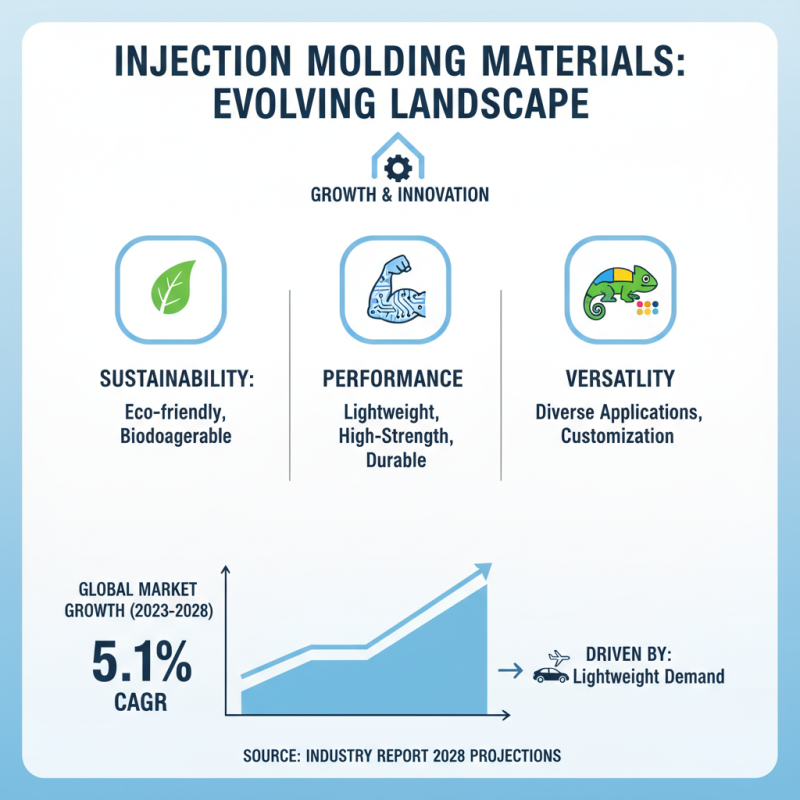
The landscape of injection molding materials is evolving rapidly. Innovations focus on sustainability, performance, and versatility. A recent industry report indicates a projected growth rate of 5.1% in the global injection molding market through 2028. This growth is driven by the increasing demand for lightweight and high-strength materials.
Recycling initiatives are reshaping material choices. Bioplastics are gaining traction due to their environmentally friendly nature. Reports suggest that the bioplastics market could reach $44 billion by 2026. Companies are exploring innovative blends to reduce their carbon footprint while maintaining product integrity.
Tips: Consider integrating recycled content into your designs. Evaluate how material choices impact your entire supply chain. Also, monitor the latest developments in additive manufacturing, which can further enhance material functionality.
The challenge remains in balancing performance with sustainability. As materials become more advanced, manufacturers must address processing complexities. Future trends suggest ongoing research in composite materials. This could lead to breakthroughs in strength and weight reduction, but practical applications are still in the early stages. Observing these trends will be crucial for staying competitive.