What Are the Top 10 Well Drilling Equipment Suppliers?
Choosing reliable Well Drilling Equipment suppliers requires more than comparing catalog prices. A drilling rig may look impressive online, yet performance depends on ground conditions, operator support, and replacement parts. This guide introduces ten leading suppliers for contractors, water-well specialists, mining teams, and industrial buyers.
The evaluation considers equipment quality, drilling depth, power systems, safety features, and operating efficiency. It also examines rotary rigs, down-the-hole systems, air compressors, mud pumps, drill rods, and supporting tools. Supplier experience matters. So does technical training. A dependable company should provide clear specifications, responsive service, and parts that remain available after installation. Field feedback, manufacturing history, certifications, and customer support help create a more balanced comparison.
Still, no ranking fits every project. Hard granite, loose sand, and fractured rock demand different drilling methods. A compact rig may suit a rural water project, while a heavy crawler rig may better handle deep commercial wells. Prices can also mislead when maintenance, transport, fuel use, and downtime are ignored. Some suppliers appear strong on paper but offer limited local support. That weakness deserves attention. This overview aims to provide practical, evidence-based guidance while recognizing that supplier performance can vary by region and application. Buyers should verify current specifications, service coverage, and compliance requirements before making a final decision. Start with the ground conditions.
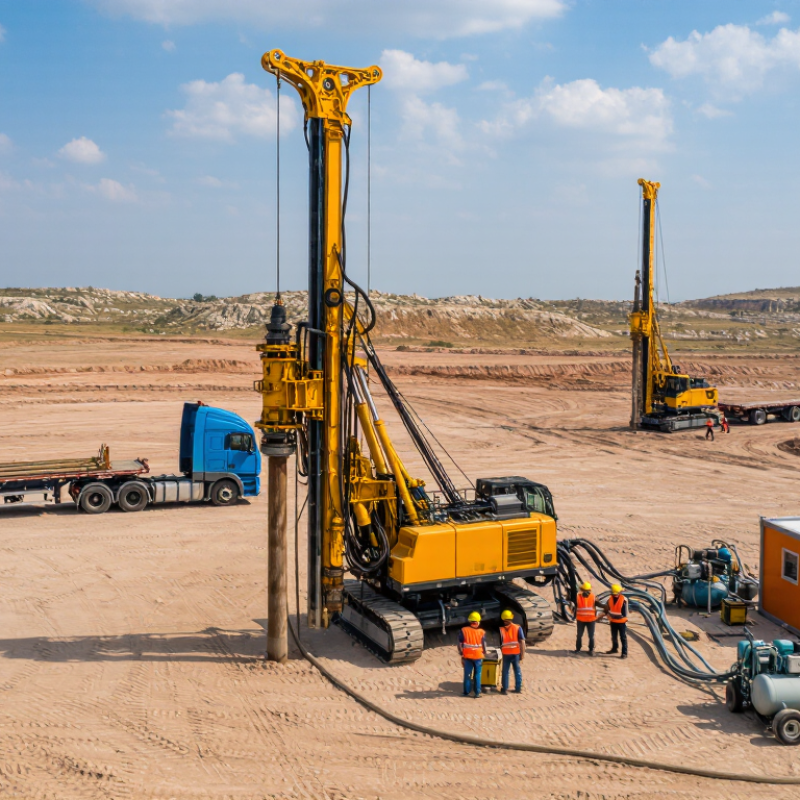
Defining Well Drilling Equipment Suppliers and Their Industry Role
Well drilling equipment suppliers are companies that source, manufacture, or distribute the tools and systems used to construct and maintain wells. Their offerings may include drilling rigs, drill pipes, bits, pumps, casing, and measurement instruments. Some suppliers also provide installation guidance, spare parts, and equipment servicing. The exact range varies, so buyers should check what a supplier actually supports.
Their industry role goes beyond moving equipment from a warehouse to a job site. A capable supplier helps match equipment to ground conditions, required depth, water needs, and site access. For example, a compact rig may suit a narrow rural location, while harder formations can call for different bits and stronger drilling components. Good technical advice can reduce avoidable delays. It cannot remove every risk.
Suppliers also help keep projects moving by coordinating delivery, explaining operating requirements, and identifying compatible replacement parts. Experience matters here: a part that looks suitable on paper may not fit an older rig or local setup. Ask about specifications, service response, stock availability, and documented performance in comparable work. A catalog is useful, but it is not field experience. Even careful recommendations can miss something; conditions underground are not always predictable.
Key Equipment Offered by Leading Well Drilling Suppliers
Leading well drilling suppliers typically offer complete equipment packages, not just a rig. Common offerings include truck- or trailer-mounted rigs, rotary tables, mud pumps, drill pipes, bits, casing, and hoisting systems. For remote sites, compact rigs and modular masts can reduce transport burdens; deeper projects may require higher-capacity hoists and stronger drill strings. Suppliers also provide compressors for air drilling, mud tanks for fluid circulation, and tools for handling casing. Small components matter. A worn swivel or poorly matched bit can slow a crew even when the rig has ample power.
Equipment selection should reflect local geology, water demand, and maintenance capacity. The U.S. Geological Survey’s Circular 1441 reports that groundwater withdrawals in the United States averaged 82.3 billion gallons per day in 2015, about one-quarter of total freshwater withdrawals. That figure shows why reliable access equipment matters, though it does not predict demand at any individual site. Buyers should compare rated depth with expected formations, check parts availability, and ask how quickly a supplier can support repairs. A detailed service plan is useful. It can still miss the realities of a muddy site or delayed delivery. Teams should verify performance claims against field conditions, not just a polished specification sheet.
Criteria for Comparing the Top Well Drilling Equipment Suppliers
Comparing the top 10 well drilling equipment suppliers requires more than checking catalog size or quoted prices. A reliable evaluation begins with field experience. Review the supplier’s history with soil conditions, drilling depths, and water table challenges similar to your project. Ask for documented case studies, maintenance records, and customer references. Practical evidence often reveals more than polished sales material.
Technical fit matters equally. Compare rotary torque, drilling diameter, rated depth, pump capacity, mast stability, and fuel efficiency. Confirm whether the rig handles your preferred drilling method and local ground conditions. Examine component quality, operator controls, noise levels, and transport requirements. A low purchase price may hide expensive wear parts or difficult repairs. Request a full ownership estimate, including delivery, installation, training, spare parts, and downtime. Some suppliers provide impressive specifications, yet their service response may be slow. That is a detail buyers sometimes overlook.
Tips: Use the same test conditions for every supplier. Ask each company to explain its warranty in plain language. Check parts availability near the worksite. Speak with operators, not only managers. If possible, inspect a working machine before signing. Bring an experienced driller to the evaluation. My own comparison method would also include a small scoring sheet, although scoring can oversimplify real field performance. Leave room for professional judgment. Verify safety certifications and operating instructions through official documents, not assumptions. A dependable supplier should answer difficult questions clearly and admit equipment limitations.
What Are the Top 10 Well Drilling Equipment Suppliers?
Criteria for Comparing Well Drilling Equipment Suppliers
Suggested evaluation weights for comparing suppliers—not measured supplier results or an industry survey. Assess equipment performance, safety, service, and total ownership costs against the requirements of each drilling project.
Top 10 Well Drilling Equipment Suppliers by Market Strength
A credible “top 10” ranking of well drilling equipment suppliers should measure market strength, not rely on promotional claims. Useful indicators include manufacturing capacity, regional service coverage, spare-parts availability, delivery performance, and documented equipment uptime. Buyers can test these claims against project references and maintenance records. A polished catalogue proves little.
Demand provides important context. The WHO/UNICEF Joint Monitoring Programme’s 2023 report estimated that 2.2 billion people lacked safely managed drinking water in 2022, sustaining the need for dependable water-well infrastructure. That figure does not measure equipment sales, however. A stronger supplier comparison should separate water-well equipment from oilfield drilling systems, since their operating conditions and customer bases differ. It should also consider locally available technicians and replacement parts; a powerful rig is less useful when a minor component causes weeks of downtime.
Market strength is not the same as market share. Public supplier-level sales data are often incomplete, so rankings should disclose their methods and avoid false precision. Compare audited financial information where available, published service locations, warranty terms, and verifiable project histories. Ask for evidence. Independent reviews can help, but they may reflect only a narrow region or equipment class. The ranking will still have blind spots.
How to Select the Right Supplier for Your Drilling Project
Choosing among the top 10 well drilling equipment suppliers starts with your project conditions, not a catalog ranking. Consider the planned depth, ground formation, bore diameter, and available access. A rig suited to hard rock may be inefficient in loose, water-bearing layers. Ask suppliers to explain how their equipment performs in conditions similar to yours. Request clear specifications for drilling capacity, power requirements, parts availability, and routine maintenance. Check whether operators can receive practical training. A polished brochure is useful, but it cannot replace detailed answers.
Tips: Share your site data. Ask for references from comparable projects. Confirm delivery times, warranty coverage, and the process for sourcing wear parts. Have a qualified drilling professional review the proposed setup before purchase. Small omissions matter; a missing pump or incompatible rod can delay work.
Compare total operating costs, not just the initial price. Fuel use, transport, downtime, and service access can change the real cost considerably. Ask for a written quote that separates equipment, accessories, installation, and support. If possible, inspect a similar rig in operation and note how easily crews reach controls and service points. Be cautious of promises without supporting details. I would also leave room for uncertainty: ground conditions can vary across one site, so no supplier can guarantee identical performance everywhere.