Top 10 Benefits of Using Injection Molding Molds?
Injection molding is a widely used method in manufacturing. By utilizing injection molding molds, companies can create high-quality products with precision. This process allows for efficiency and cost-effectiveness, making it a go-to choice for various industries.
The benefits of using injection molding molds are significant. For one, they enable mass production of complex shapes with exact dimensions. This capability enhances design flexibility, giving manufacturers the power to innovate continually. Moreover, the durability of these molds contributes to long-term savings, despite the initial investment.
However, not every aspect of injection molding is perfect. The setup costs can be high, requiring careful budgeting. Additionally, designing a mold takes time and expertise, which can be daunting for newcomers. A thorough understanding of the process and the potential challenges involved is crucial for success. This article will explore the top ten benefits of using injection molding molds, emphasizing their impact on production efficiency and product quality.
Advantages of Injection Molding for Manufacturing Efficiency
Injection molding stands out as a leading manufacturing process, particularly for its efficiency. It allows companies to produce complex parts quickly. According to the Plastics Industry Association, injection molding can produce thousands of parts per hour, significantly reducing production time compared to traditional methods. This impressive speed enhances productivity and lowers labor costs.
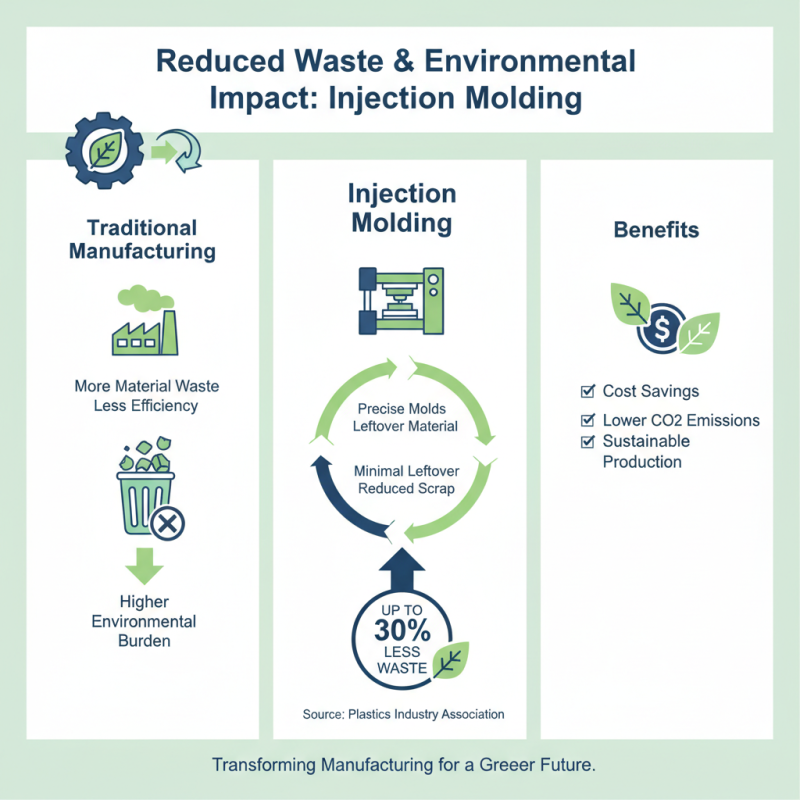
Material efficiency is another critical advantage. Injection molding optimally uses raw materials. Reports indicate that waste can be reduced to less than 2% in injection molding processes. This efficiency not only saves costs but also makes manufacturing more sustainable. However, the initial investment in molds can be high, which is a consideration for smaller companies.
Flexibility in design is an added benefit. Molds can be tailored to create intricate shapes that would be challenging with alternative methods. This capability opens up possibilities for innovation in product design. Yet, it's essential to design molds carefully, as poor design can increase production costs and time. Thus, careful planning and expertise are crucial for maximizing the benefits of this process.
Cost-Effectiveness of Using Injection Molding Molds in Production
Injection molding molds play a crucial role in enhancing production efficiency and reducing costs. According to industry reports, utilizing injection molding can lower production costs by up to 30%. This reduction comes from high production rates and minimal material waste. A well-designed mold ensures that parts can be manufactured quickly and consistently, leading to significant savings over time.
However, it’s essential to recognize that mold design requires expertise. A poorly designed mold can lead to defects and increased scrap rates. An average scrap rate can be around 5-10% in manufacturing. Regular evaluations of mold performance can help identify issues early, preventing costly down-time. Regular maintenance of molds is also critical; well-maintained equipment can last longer, further enhancing cost-effectiveness.
Tips: Always invest in high-quality materials for your molds. This can prevent premature wear, ensuring longevity. Additionally, consider the design of your mold. An inefficient design can negate the cost savings of injection molding. Lastly, gather data on production cycles to identify trends in efficiency and waste. This strategy will help streamline processes and enhance overall cost-effectiveness.
High Precision and Repeatability in Molded Parts Creation
Injection molding is renowned for achieving high precision and repeatability in the creation of molded parts. This method stands out due to the ability to produce complex shapes with tight tolerances. When molds are crafted expertly, each part can be created with consistency, ensuring they all meet exact specifications. For industries requiring high-quality components, like automotive or medical, this precision is essential.
The repeatability offered by injection molding is one of its strongest advantages. Once a mold is made, it can produce thousands of identical parts with minimal variation. This quality helps companies maintain their production standards. However, creating a high-precision mold can be challenging. Designers must consider material flow, cooling times, and potential defects to avoid issues later in production. An imperfect mold may lead to unpredictable results, demanding more rigorous testing and adjustments.
Investing in high-quality injection molds can significantly impact a business's efficiency. Reduced waste and increased product reliability often offset the initial costs. Yet, companies must balance these benefits against the potential learning curve associated with using advanced molding techniques. Commitment to continuous improvement can help harness the full potential of this technology.
Top 10 Benefits of Using Injection Molding Molds
Diverse Material Options for Injection Molding Applications
Injection molding offers a vast array of material options suitable for different applications. From thermoplastics to elastomers, manufacturers can choose materials based on specific requirements. For instance, ABS plastic is known for its durability and impact resistance, making it ideal for automotive parts. On the other hand, polycarbonate offers transparency and higher heat resistance for products like safety goggles.
Diverse material choices enhance creativity in product design. However, selecting the wrong material can lead to issues. It’s crucial to understand each material's properties. Considerations such as tensile strength, temperature resistance, and flexibility play a significant role in the product's functionality. It’s essential to evaluate all aspects, as one oversight can compromise the entire project.
Some might overlook the importance of material compatibility with injection molding processes. Not all materials process well in every mold. Proper testing and adjustments are necessary to achieve quality results. Trial and error may be unavoidable when creating prototypes. Balancing cost with material properties requires thoughtful consideration. This complexity might seem daunting, yet it’s part of the creative journey in injection molding applications.