Top 10 Injection Mold Makers for Global Buyers

Injection molding remains a core manufacturing process for parts ranging from small electrical housings to automotive components. PlasticsEurope’s Plastics—the Fast Facts 2024 reports that global plastics production reached 413.8 million tonnes in 2023. That figure covers plastics broadly, not injection-molded products alone, but it shows the scale of the supply chain buyers must navigate. Tooling quality, resin selection, production capacity, and quality controls can all affect a project’s cost and delivery schedule.

This guide to the Top 10 Injection Mold Makers for Global Buyers offers a starting point for comparing suppliers across regions. A shortlist is not a guarantee of fit. Buyers should examine relevant industry experience, mold-design support, sample and validation procedures, communication practices, and the supplier’s ability to maintain consistent production. Ask specific questions: Can the maker explain its mold-maintenance plan? Can it provide clear inspection records? Small details matter. A polished website cannot show how a supplier responds when a trial part comes out with flash or an order changes. Rankings also have limits: public data may not reveal a factory’s current workload or the performance of a particular project team. Treat the list as a research tool, then verify capabilities directly and compare quotations against the same specifications.
Top 10 Injection Mold Makers for Global Buyers

Global Context: 413.8 Million Tonnes of Plastics Produced in 2023

In 2023, global plastics production reached 413.8 million tonnes, putting injection molding in a much larger resource conversation. Every molded part depends on material choices, but its footprint also reflects tool design, cycle settings, and rejected parts. A thin wall, poorly placed gate, or uneven cooling can turn resin into avoidable scrap. Small details matter.

For buyers comparing mold makers, production capacity tells only part of the story. Ask how each supplier checks mold flow, controls dimensional variation, and records trial results. A useful review includes sample measurements, cycle-time data, and clear maintenance requirements. These checks do not guarantee a perfect run. They help reveal problems before shipment.

Mold makers can help reduce waste with efficient runners, durable tooling, and designs suited to realistic process variation. Yet “lighter” is not always better; a fragile part may fail early and need replacement. The right balance depends on the component’s function, production volume, and operating conditions. Request evidence, not broad sustainability promises. Even experienced teams can miss a trade-off. That is worth admitting.

Injection Mold Basics: Tool Design, Cavities, Materials, and Part Tolerances

Injection Mold Basics: Tool Design, Cavities, Materials, and Part Tolerances

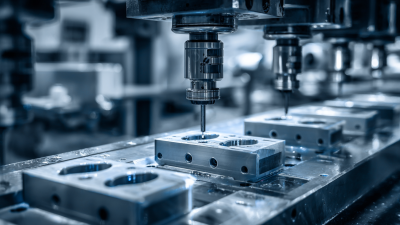
Injection mold design starts with the part, not the steel. Wall thickness, draft, gate position, and cooling channels affect filling, shrinkage, and cycle time. A thin rib beside a thick boss can cool unevenly and leave a visible sink mark. Small details matter. The mold may use one cavity for flexible production or multiple cavities for higher output. But every cavity needs balanced filling; otherwise, parts can vary from cavity to cavity.

Material choice changes the tool design. Glass-filled resin can wear steel faster, while softer resins may allow less costly tooling. Aluminum tools can suit shorter runs, but production volume and surface requirements matter. There is no universal tolerance for “plastic parts.” ISO 20457:2018 describes tolerances for molded thermoplastic parts, while actual limits depend on resin, geometry, and measurement conditions. A tight tolerance on a long, thin feature may be expensive and unstable. The trade-off is not always neat.

The commercial stakes are substantial: Grand View Research estimated the global injection-molded plastics market at USD 330.1 billion in 2023, with projected growth through 2030. That figure does not tell a buyer which mold is right. It does explain why small design decisions deserve careful review.

Ask for a cavity layout, material-specific shrinkage assumptions, and inspection points before approving the tool. Then review a first article. Even a good drawing can miss a real-world cooling issue.

Supplier Evaluation: ISO 20457:2018, Quality Systems, Capacity, and Tool Life

When comparing injection mold makers, use ISO 20457:2018 to discuss molded-part tolerances and acceptance conditions. It is not, by itself, proof of a supplier’s quality system. Ask how drawings, inspection plans, and sampling records turn requirements into checks on your part.

For example, request a first-article report showing cavity-to-cavity variation, gate vestige, and critical dimensions. A tolerance on paper is not a stable process. Agree which dimensions affect fit or function, and how often they will be measured.

Review change control, gauge calibration, nonconformance handling, and traceability from material records through trial results. Then compare capacity with your production plan. Check machine clamp force, shot size, available shifts, and maintenance schedules—not just the number of machines. Ask whether similar tools will run during your launch window.

Tool life depends on part geometry, resin, process settings, and maintenance. Request a target shot count, maintenance intervals, and evidence from comparable tools. Tools wear unevenly. A spreadsheet can look reassuring while hiding a rushed handoff, so discuss who approves repairs and how changes are documented.

Top 10 Injection Mold Makers: Capabilities and Regional Strengths

Regional strengths matter, but they are not guarantees. Buyers often find broad supplier networks and flexible capacity in China, while Japanese and South Korean shops are associated with precision machining and process control. German and Central European makers commonly serve demanding industrial applications. These are useful starting points, not substitutes for checking an individual shop’s equipment, engineering team, and quality records. A capable mold maker should explain its steel choice, cooling-channel layout, expected tool life, and inspection plan in clear terms.

Grand View Research estimated the global injection-molded plastics market at USD 284.1 billion in 2023 and projected a 4.8% compound annual growth rate from 2024 to 2030. That market context points to varied needs across packaging, automotive, medical, and consumer products. For buyers comparing the top 10 injection mold makers, regional fit includes more than price: shipping time, engineering communication, mold maintenance, and access to spare inserts can affect production continuity. A low quote can still hide long correction cycles. That deserves a second look.

Tip: Request a documented mold-flow review, steel certificates, and a sample-part inspection report. Ask how the maker handles a failed first trial. Then compare answers against your part tolerances and planned production volume.

Buyer Due Diligence: Verify Samples, Lead Times, Service, and Total Cost

Treat a mold sample as a measurement exercise, not a showroom piece. Request parts from the actual production tool, then measure critical dimensions, weight, surface finish, and cycle time. Record the resin grade and molding conditions. A polished sample alone proves little. Grand View Research valued the global injection-molded plastics market at USD 284.1 billion in 2023 and projected 4.8% annual growth through 2030. That scale makes careful supplier checks worthwhile, but market growth cannot confirm one maker’s capability. Ask for a written sampling plan, revision control, and clear approval criteria.

Lead times need evidence, too. Ask for a dated schedule covering design review, steel procurement, machining, trials, corrections, and shipment. Deloitte and the Manufacturing Institute estimated that 1.9 million U.S. manufacturing jobs could remain unfilled by 2033. This does not predict a specific mold shop’s delay, but staffing deserves a direct question. Who covers a toolmaker’s absence? What happens if the first trial misses a tolerance? Check service response times and spare-part arrangements. Compare total cost, including tool changes, inspection, packaging, freight, and maintenance—not just the quoted mold price. Even a careful checklist misses details; revisit it after the first production run.

Top 10 Injection Mold Makers for Global Buyers — Buyer Due Diligence

Verify samples, lead times, service, and total cost before choosing a supplier.

How to use this chart: These illustrative 1–10 scores show example buyer priorities, not measured supplier performance or market-survey results. Request sample inspection records, confirmed lead-time plans, service commitments, and a full cost breakdown to compare suppliers consistently.