Top 5 Tips for Effective Medical Injection Molding Solutions?
In the intricate world of healthcare, the role of medical injection molding cannot be overstated. It serves as a crucial method for producing vital medical components. The precision and efficiency of this process significantly impact patient outcomes. However, achieving optimal results in medical injection molding requires expertise and careful consideration.
To ensure effective solutions, manufacturers must focus on factors such as material selection, design complexity, and process optimization. It is essential to comprehend the nuances involved in each step. Many businesses overlook the importance of thorough planning and testing. This often leads to flawed products that can compromise safety and performance.
Recognizing the common pitfalls in medical injection molding is vital. Many companies struggle with scaling up production while maintaining quality. Understanding these challenges can lead to stronger, more reliable solutions. By reflecting on past experiences and continuously improving practices, companies can enhance their effectiveness in this critical field. Adopting best practices not only drives innovation but also ensures compliance with industry standards.

Understanding the Basics of Medical Injection Molding
Medical injection molding is a high-precision manufacturing process. It is widely used in the production of medical devices and components. Understanding the basics of this method is essential for anyone in the medical manufacturing field.
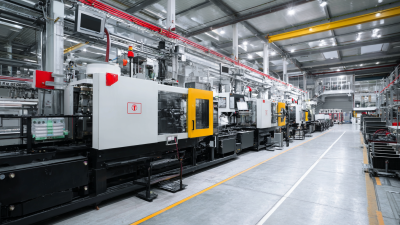
At its core, injection molding involves injecting molten material into a mold. This creates custom shapes with incredible accuracy. It’s crucial to choose the right materials, as they must meet strict regulatory standards. The process requires careful temperature control and pressure management. Even small deviations can lead to defects or compromised functionality.
Moreover, designing effective molds is a complex task. Engineers must consider factors like cycle time, cooling efficiency, and material flow. Mistakes in the mold design can result in costly delays.
It's important to maintain open communication with all team members involved. Collaborating can help address potential issues before they escalate. Continuous learning and adaptation are vital in this evolving field, reminding us that improvement is always necessary.
Key Factors Influencing Successful Injection Molding in Medical Applications
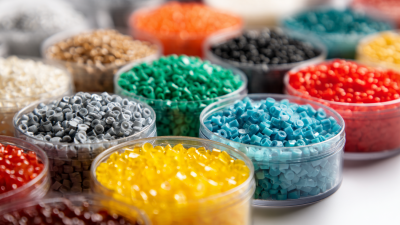
Effective injection molding in medical applications hinges on several key factors. One crucial element is material selection. Different medical applications require specific properties, such as biocompatibility and durability. Not all plastics meet these criteria. Ensuring the right choice can prevent failures and enhance product reliability.
Process control is another vital aspect. Precision in temperature and pressure settings directly impacts product quality. Fluctuations can lead to defects like warping or incomplete filling. Regular monitoring is necessary. The complexity of medical devices demands rigorous testing to meet safety standards.
Design considerations also play a significant role. Simplified geometry often leads to better results. Intricate designs may complicate the molding process. Prototyping can unveil potential issues early. Feedback from initial tests is invaluable for refining designs. Such reflections can mitigate expensive rework later.
Best Practices for Material Selection in Medical Injection Molding
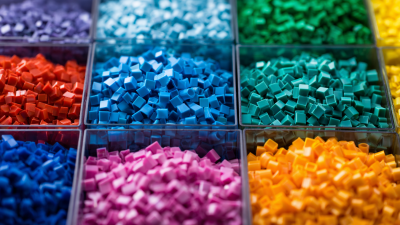
Material selection plays a crucial role in medical injection molding. The right material ensures product efficacy and safety. Common choices include thermoplastics and elastomers. Their properties significantly influence the performance of medical devices. A comprehensive understanding of these materials can lead to better outcomes.
Consider biocompatibility when selecting materials. Medical devices often come into contact with the human body. Therefore, materials must be tested for safe interactions. Polypropylene and polycarbonate are popular for their durability and chemical resistance. However, not all polymers meet stringent regulatory requirements. Failing to verify biocompatibility can lead to product recalls or severe consequences.
Thermal stability is a vital factor in material selection. It affects the molding process and the final product's performance. Inconsistent temperatures during molding can cause defects. High-quality molds and precise temperature control can mitigate this issue. Still, manufacturers may overlook the importance of thermal profiles, leading to potential failures. Each decision in material selection should be made with careful analysis and reflection.
Quality Control Measures in Medical Injection Molding Processes
Quality control is crucial in medical injection molding processes.
It ensures that products meet safety and performance standards. Effective measures can greatly
enhance product reliability and minimize failures. A robust quality control system includes
regular inspections and thorough testing.
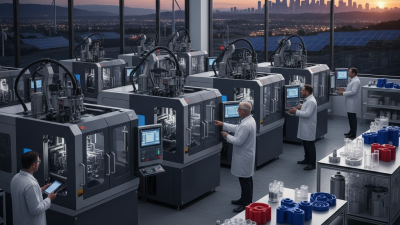
One important tip for effective quality control is to implement in-process monitoring.
This involves real-time measurement of key parameters during production. This helps identify
issues early, preventing defects. Another significant step is validating molds before
full-scale production. This allows one to ensure that specifications are met consistently.
Documentation is also essential. Keeping detailed records of each production batch
aids in tracking variability. If a defect occurs, having thorough documentation facilitates quick
identification of the root cause. Engaging a skilled team in
the quality control process can boost effectiveness. Their expertise in recognizing potential
issues is invaluable.
Innovations and Trends in Medical Injection Molding Technology
Medical injection molding technology is rapidly evolving, driven by innovations and trends aiming for improved efficiency and patient safety. Recent data from industry reports show that the global medical injection molding market is projected to grow at a CAGR of 9.5% from 2021 to 2028. This indicates a strong demand for precision-engineered components used in medical devices. The ability to produce complex shapes with high repeatability is a key factor in this trend.
New materials are transforming the landscape of medical injection molding. Biocompatible plastics are gaining traction. These materials not only meet strict regulatory standards but also enhance patient outcomes. The introduction of smart manufacturing technologies, such as automation and artificial intelligence, is another significant trend. Such technologies improve production accuracy and reduce waste. Yet, companies must reflect on integration challenges and workforce training requirements that come with adopting these innovations.
The focus on sustainability is becoming more prominent. Many developments emphasize eco-friendly materials and processes. Industry experts agree that balancing performance and environmental responsibility is crucial. However, there may be some trade-offs in terms of material properties or production costs. As the medical injection molding sector advances, ongoing evaluation of these trends is essential for companies to remain competitive and effective.
Top 5 Tips for Effective Medical Injection Molding Solutions
| Tip |
Description |
Innovation |
Trend |
| 1. Material Selection |
Choose biocompatible materials for medical applications. |
Use of advanced polymers like PEEK and LCP. |
Growing demand for high-performance materials. |
| 2. Precision Engineering |
Implement tight tolerances to ensure product quality. |
Integration of CNC machining in molds. |
Increasing reliance on precision in manufacturing. |
| 3. Process Optimization |
Optimize cycle times and reduce waste. |
Use of simulation software for process mapping. |
Trend towards lean manufacturing in the industry. |
| 4. Compliance and Regulatory |
Ensure adherence to FDA and ISO standards. |
Use of documentation software for tracking compliance. |
Heightened focus on regulatory requirements. |
| 5. Sustainability Practices |
Adopt environmentally friendly practices. |
Recycling and reusing materials in production. |
Increasing emphasis on sustainability in manufacturing. |