What Are the Types of Rotating Machines Explained?
Rotating Machines play a vital role in various industries. They convert energy into mechanical motion, serving essential functions. These machines can be found in countless applications, from household appliances to large-scale industrial equipment.
Understanding the different types of rotating machines is crucial. Each type has unique characteristics and uses. For instance, electric motors and turbines are common examples. They vary in efficiency, design, and operational capabilities. It’s intriguing how a simple device can impact complex systems.
However, not all rotating machines operate perfectly. Some can experience inefficiencies or mechanical failures. These issues can lead to costly downtimes or performance drops. Recognizing these challenges is key for engineers and operators alike. It prompts continuous improvement and innovation in machine design and maintenance.
Types of Rotating Machines: An Overview
Rotating machines are crucial in various industries. They transform energy into motion. Common types of rotating machines include electric motors, generators, and turbines. According to a recent report, the electric motor market is projected to reach $173 billion by 2025. This growth is influenced by advancements in technology and increased energy efficiency demands.
Electric motors come in several forms. AC and DC motors serve different functions. Each type has unique characteristics. They vary in cost, complexity, and application. For instance, synchronous motors provide high efficiency but require precise control. On the other hand, induction motors are simpler and more robust but less efficient at lower speeds. This diversity can be overwhelming for engineers during selection.
Another key category is generators. They convert mechanical energy into electrical energy. The global generator market is expected to grow significantly, driven by renewable energy sources. Wind turbines, a subset of generators, have seen rapid growth. However, their reliability and maintenance requirements can be challenging. Innovation is necessary to address these issues. Understanding the diverse range of rotating machines is essential for effective implementation in modern engineering.
Fundamental Principles of Rotating Machines
Rotating machines are vital in many industrial applications. They convert mechanical energy into electrical energy and vice versa. A few fundamental principles govern their operation. These principles include electromagnetic induction, torque generation, and rotational balance.
Electromagnetic induction is the heart of many rotating machines. It occurs when a conductor moves through a magnetic field. This movement generates an electric current. The design of the machine influences the efficiency of this process. Torque generation is crucial, too. It refers to the force that causes rotation. The design of the rotor and stator must work together harmoniously. Any imbalance can lead to vibrations and potential failures.
Rotational balance is another critical aspect to consider. Proper alignment minimizes wear on components. Misalignment can create friction and heat, leading to breakdowns. It is essential to monitor and adjust these machines regularly. Neglecting maintenance can result in performance drops. Operators must remain vigilant to spot signs of wear. Understanding these fundamental principles helps improve efficiency and longevity.
Classification of Rotating Machines by Function
Rotating machines play a crucial role in various industries. They can be classified by their function, mainly into two categories: prime movers and auxiliary machines. Prime movers include generators and turbines. These machines convert energy into mechanical power. Auxiliary machines, such as pumps and compressors, support the operations of prime movers.
According to industry reports, generators accounted for over $10 billion in revenue in 2022. Their complexity can hinder maintenance and increase downtime. Meanwhile, pumps are essential across sectors like water treatment and oil and gas, totaling around $20 billion in global sales. However, inefficient pump configurations can lead to wasted energy and increased operational costs.
Each type of rotating machine has its unique challenges. The efficiency of these machines greatly influences operational effectiveness. For instance, poor alignment in motors can result in vibrations. This can lead to costly repairs and decreased lifespan. Understanding these machines' classifications helps industries optimize their functionality and address maintenance needs.
Common Applications of Different Rotating Machines
Rotating machines are vital in various industries. They convert energy to mechanical power, serving numerous applications. For instance, electric motors are common in household appliances. Fans, pumps, and compressors also rely on these machines. Each type has its unique role in making our lives easier.
Turbines are crucial in power generation. They turn kinetic energy into electricity. Wind turbines harness natural air currents. Hydroelectric turbines utilize flowing water. Both play vital roles in sustainable energy. Furthermore, industrial machines like centrifuges find use in separation processes. They help in food processing and chemical production.
Despite their efficiency, rotating machines can face challenges. Regular maintenance is essential to prevent breakdowns. Over time, components wear out, affecting performance. This inconsistency can lead to downtime. Industries must address these issues proactively. Understanding each machine's application helps smooth operations. With clear objectives, the impact of rotating machines can be maximized.
Key Components and Working Mechanisms of Rotating Machines
Rotating machines play a crucial role in various industries. They convert energy from one form to another. Their main types include motors, generators, and turbines. Each has unique components and working principles.
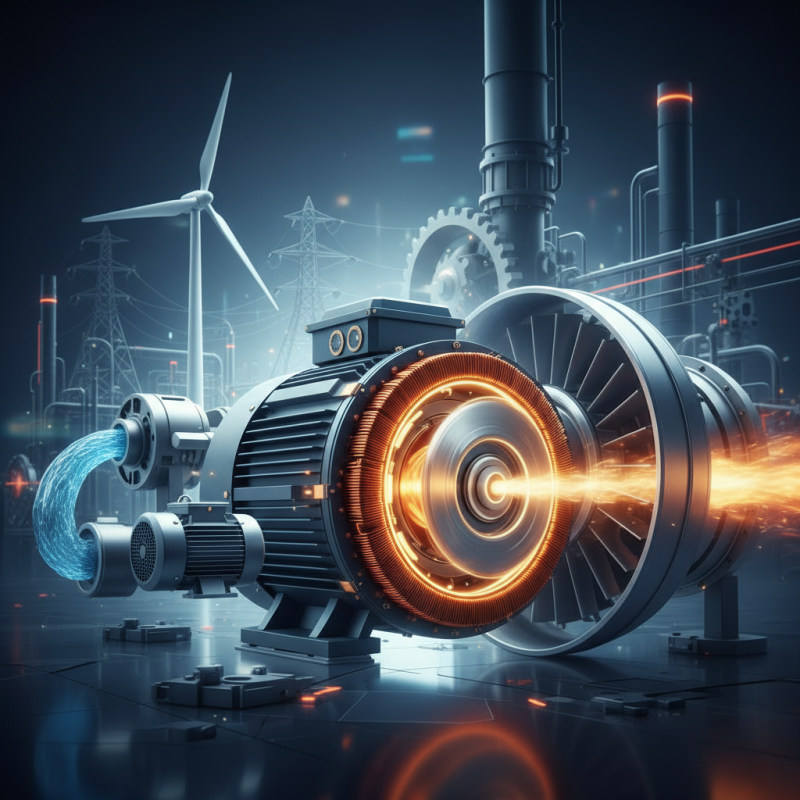
Motors typically use electromagnetic induction to create motion. They consist of a rotor, stator, and windings. The rotor spins inside the stator, driven by electric currents. Generators operate similarly but convert mechanical energy into electricity. They are vital for power generation.
Turbines, on the other hand, harness fluid energy. They are often used in power plants and vehicles. Blades inside the turbine rotate as water or air flows over them. This movement powers generators.
Tips: When exploring rotating machines, consider their efficiency. Keep them well-maintained for optimal performance. Regularly check for wear and tear, as this can affect their lifespan.
It's easy to overlook small details in maintenance. Sometimes, we ignore minor problems, thinking they won’t matter. However, these small issues can lead to bigger failures. Paying attention to every component is essential for reliability.