What Types of Urine Collection Equipment Are Available?
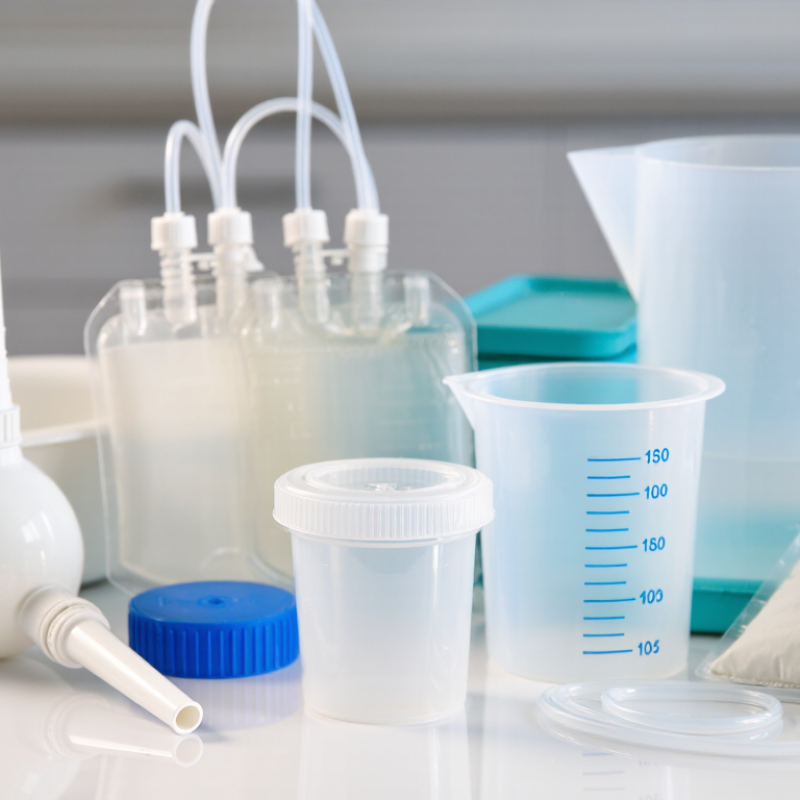
Urine Collection Equipment ranges from simple specimen cups to larger systems designed for home care or clinical use. The right choice depends on why urine is being collected, how much is needed, and whether the sample must remain sterile. A clean-catch test, for example, usually requires a sterile container with a secure lid. Small details matter. A lid that leaks or a container touched inside can compromise a sample.
Common options include sterile cups, specimen containers with transfer devices, pediatric collection bags, and larger jugs for timed collections. Some containers have measurement markings, while others are intended only to hold a small sample. For people who cannot easily reach a toilet, bedside urinals and bedpans can support collection. External catheters and drainage bags serve different needs, often collecting urine over time rather than producing a single test sample. Fit matters. These products should be selected with guidance when skin sensitivity, mobility, or medical conditions are involved.
Handling instructions vary by test and healthcare provider. A 24-hour collection may require saving every void during a set period, while a routine sample may need prompt delivery to a laboratory. Labels, timing, storage, and hand hygiene all affect sample quality. Equipment alone cannot guarantee an accurate result. This overview explains the main types of urine collection equipment, their typical uses, and practical points to check before choosing. Some choices are less obvious than they seem, so asking a clinician or laboratory for specific instructions is often worthwhile.
Types of Urine Collection Equipment and Their Basic Functions
Urine collection equipment supports two main tasks: obtaining a diagnostic sample and managing ongoing bladder drainage. A sterile, screw-cap cup holds a single specimen. Clean-catch kits add wipes and collection instructions to help reduce contamination. For timed testing, a wide-neck, graduated container captures each void over a set period. A missed sample can affect the result. Details matter.
Pediatric urine bags attach gently around the genital area and collect urine when a child cannot reliably use a cup. They are convenient, but contamination remains a concern. An indwelling catheter drains urine through tubing into a collection bag; a sampling port lets trained staff collect a specimen without opening the drainage system. Intermittent catheter kits, by contrast, support one-time bladder emptying and sample collection.
Equipment choice also has practical importance. The CDC’s CAUTI guidance reports that about 75% of hospital-acquired urinary tract infections are associated with urinary catheters, and 15–25% of hospitalized patients receive them (CDC, “Catheter-Associated Urinary Tract Infection: Basic Information”). These figures explain why catheter systems use closed drainage and careful handling. Still, the right device depends on the patient, test, and collection duration—not convenience alone.
Urine Specimen Containers for Routine Testing
For routine testing, a urine specimen container should be clean, leak-resistant, and easy to close securely. Many laboratories provide a sterile, screw-cap cup, especially when testing requires reduced contamination. Check the container and instructions before collection. A cracked cup or loose lid can spoil an otherwise useful sample. Small details matter.
The label should match the laboratory’s requirements and include the requested patient information. Keep it on the container, not the lid, which may be separated during handling. When instructed to collect a midstream sample, begin urinating first, then collect without touching the cup’s inner surface. Avoid filling beyond the marked line. It sounds simple, but awkward positioning can make spills more likely. For routine urinalysis, the required container and timing may differ from those for a urine culture, so follow the specific instructions provided. Close the lid firmly and deliver the sample promptly, or ask the laboratory how to store it if there will be a delay. A container alone cannot guarantee a reliable result; careful handling helps preserve the specimen.
What Types of Urine Collection Equipment Are Available?
Typical capacity ranges for common urine collection equipment
Capacities are common illustrative ranges and vary by product and laboratory requirements. Routine specimen cups and transfer tubes are used for testing and transport; pediatric bags support urine collection in infants, while larger containers are used for 24-hour collections.
Catheters for Collecting Urine from the Bladder
Urinary catheters collect urine directly from the bladder when someone cannot empty it reliably or a clinician needs a suitable specimen. Intermittent catheters are inserted to drain the bladder and removed soon afterward. Indwelling catheters stay in place and carry urine through tubing into a collection bag. Some enter through the urethra; others pass through a surgically created opening in the lower abdomen. Different situations call for different equipment. A clinician considers the reason for use, expected duration, anatomy, mobility, and comfort before selecting a type and size.
Insertion and ongoing care need clear instructions. Appropriate hygiene and sterile supplies help reduce contamination and infection risks. For a urine test, a sample is generally collected from the catheter’s sampling port, not from urine sitting in the drainage bag. At home, follow the care team’s guidance on handling and cleaning equipment. Keep the drainage tubing free of kinks, and position the bag below bladder level. Small details matter. In practice, it is easy to focus on the bag and overlook the catheter itself. Catheters may cause irritation, infection, or injury, so pain, fever, blood in the urine, leakage, or reduced drainage warrants prompt clinical advice.
What Types of Urine Collection Equipment Are Available? - Catheters for Collecting Urine from the Bladder | Equipment Type | How It Collects Urine | Common Uses | Collection Setup | Important Considerations |
| Intermittent urethral catheter | A catheter is passed through the urethra into the bladder to drain urine, then removed after emptying. | Bladder emptying when a person cannot urinate effectively; may be used at scheduled intervals. | Urine drains into a suitable receptacle or toilet during catheterization. | Requires appropriate training and hygiene. The catheter is not left in the bladder between uses. |
| Two-way indwelling urethral catheter | A catheter remains in the bladder. One channel drains urine; a second channel inflates the retention balloon. | Selected situations requiring continuous bladder drainage or accurate urine-output monitoring. | Usually connected to a closed drainage system with tubing and a collection bag. | Use only when clinically indicated and for the shortest appropriate duration. Indwelling catheters can increase infection risk. |
| Three-way indwelling catheter | Has separate channels for urine drainage, balloon inflation, and bladder irrigation. | Commonly used when continuous bladder irrigation is prescribed, such as after selected urological procedures. | Connected to a drainage bag and, when ordered, an irrigation-fluid setup. | Not generally needed for routine urine drainage. Irrigation and monitoring should follow a clinician’s instructions. |
| Suprapubic catheter | Enters the bladder through an opening in the lower abdomen rather than through the urethra. | Longer-term bladder drainage in selected cases when urethral catheterization is unsuitable or not preferred. | Usually connected to a closed drainage system and collection bag. | Placement requires a clinical procedure. The insertion site and catheter need ongoing care by trained personnel. |
| Closed drainage bag and tubing | Collects urine flowing from an indwelling urethral or suprapubic catheter; it does not enter the bladder itself. | Continuous collection and measurement of urine drained through an indwelling catheter. | May use a larger bedside bag or a smaller leg bag, depending on the care plan and activity needs. | Keep the system closed where possible and the bag below bladder level. Avoid kinks and follow instructions for emptying and replacement. |
| Clinical note: Catheter choice, size, material, insertion, and duration should be determined by a qualified healthcare professional based on the individual’s needs. This table is general educational information, not a substitute for clinical guidance. |
External Urine Collection Devices and Drainage Bags
External urine collection devices sit outside the body, unlike indwelling catheters. Common options include male external sheaths connected to tubing and a collection bag, and female external wicking devices that direct urine into a canister. A bedside bag holds more urine; a leg bag offers mobility but needs secure straps and regular emptying. Fit matters. A sheath that is too tight can irritate skin, while a loose fit may leak. Check the skin, tubing, and seal during routine care, and follow the device instructions.
Drainage setup affects comfort and reliability. Keep the bag below bladder level, prevent tubing from kinking, and keep the outlet from touching the toilet or container during emptying. CDC guidance notes that 15–25% of hospitalized patients receive urinary catheters, and about 75% of hospital-acquired urinary tract infections are associated with catheter use (CDC, Catheter-Associated Urinary Tract Infection guidance). External devices may suit some people with incontinence, but they do not treat urinary retention and are not right for every patient. Their infection-prevention benefit depends on the person and care setting; it should not be assumed. The fit is not perfect every time. Review leakage, skin changes, and comfort with a clinician, especially when mobility or cognition makes device checks difficult.
Specialized Equipment for Pediatric and Long-Term Use
For infants and young children, urine collection bags with gentle adhesive edges can capture samples without inserting a tube. The skin should be clean and dry before application, and the bag needs frequent checking for leaks or stool contamination. A sample collected this way may be less suitable for some tests, so caregivers should follow the clinician’s collection instructions. Small details matter. A loose edge can mean starting over.
For long-term use, options may include external collection devices, intermittent catheters, or an indwelling catheter connected to a drainage bag. The right choice depends on mobility, skin condition, bladder function, and clinical needs. External devices avoid placing a tube inside the bladder, but fit and skin moisture can create problems. Indwelling systems need careful hygiene and unobstructed tubing; the bag should stay below bladder level and off the floor. Comfort is not guaranteed. Regular review by a qualified clinician helps identify irritation, leakage, or changes in need. Even a well-fitted device can require adjustment.