Why Choose Plastic Part Manufacturing for Global Sourcing?
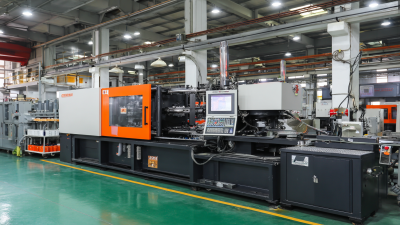
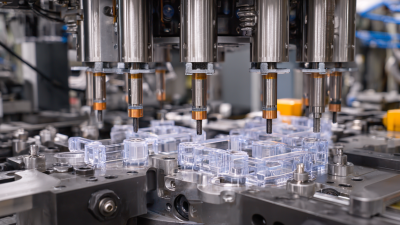
Global sourcing often begins with a simple question: can the supplier deliver identical plastic parts repeatedly? Plastic part manufacturing offers a practical answer when design, tooling, and quality systems work together. Injection molding can produce thousands of components with stable dimensions, consistent surface finishes, and predictable cycle times.
The details matter. A small wall-thickness change can affect cooling, warpage, and assembly fit. A gate mark may be acceptable inside a housing but unacceptable on a visible control panel. Experienced sourcing teams review draft angles, material shrinkage, mold-flow risks, packaging, and inspection methods before approving production. John Bozzelli, founder of Injection Molding Solutions, puts it clearly: “The mold is the heart of the injection molding process.”
That insight remains useful across international supply chains. A capable manufacturer can support rapid sampling, production scaling, and controlled material selection. It can also reduce waste through optimized runners, stable processing windows, and reusable quality data. However, lower unit pricing does not guarantee better value. Freight delays, unclear tolerances, weak documentation, or inconsistent resin can erase early savings.
Ask difficult questions early. Can the supplier measure critical dimensions? Can it preserve color between batches? Can it manage tooling maintenance after production moves? These concerns are easy to overlook. I have seen attractive quotations become expensive after revisions and rejected samples. A reliable plastic part manufacturing partner should provide evidence, not promises, including inspection reports, trial samples, process records, and clear communication. The decision is not flawless. It is a disciplined balance between cost, capability, risk, and long-term trust.
What Plastic Part Manufacturing Includes in Global Sourcing
Plastic part manufacturing in global sourcing covers far more than pressing pellets into a mold. It starts with design review, material selection, tolerance planning, and manufacturability checks. An experienced supplier studies wall thickness, draft angles, sink marks, weld lines, and expected annual volume. These details affect tooling cost and delivery risk. A sample may look perfect. It can still fail after heat, pressure, or repeated assembly.
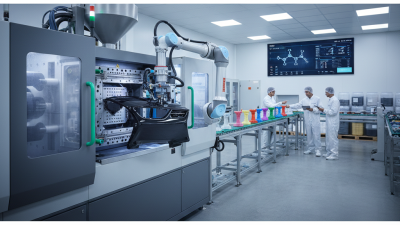
The process includes mold construction, injection molding, trimming, machining, surface finishing, and controlled inspection. Production teams check dimensions with gauges or coordinate measuring equipment. Visual checks catch flash, discoloration, and short shots. Quality records should identify the material batch, machine settings, operator, and inspection result. This traceability matters when parts cross borders. Packaging also belongs in the scope. Individual separators can prevent scratches, deformation, and moisture damage during long transport.
Global sourcing adds engineering communication, prototype approval, production scheduling, export documentation, and logistics coordination. Suppliers should explain capacity, tooling ownership, revision control, and realistic lead times before ordering. I have found that small drawing changes can cause large delays when translations or time zones are ignored. Not every low quote is efficient. A cheaper mold may require more maintenance or produce unstable dimensions. The honest answer is sometimes uncomfortable: a technically correct part may still fail on the customer’s assembly line. Regular audits, first-article inspection, and clear acceptance criteria reduce that risk, although they never remove it completely.
Why Choose Plastic Part Manufacturing for Global Sourcing?
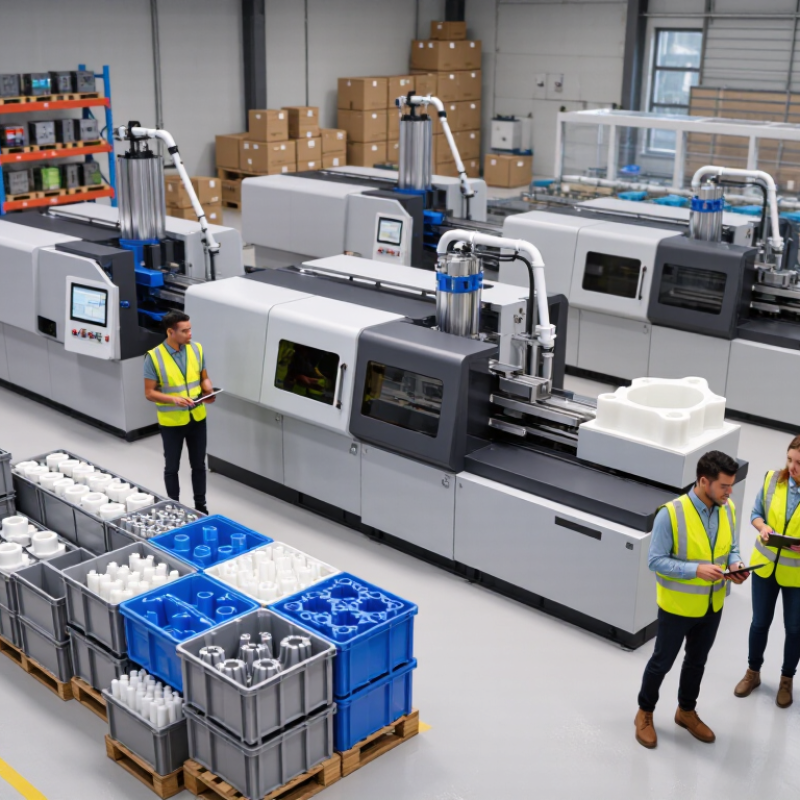
Plastic part manufacturing supports global sourcing through scalable production, repeatable quality, lightweight designs, and material flexibility. Injection molding is generally suited to high-volume parts, while extrusion, blow molding, thermoforming, and CNC machining serve different geometry and volume requirements. The lead-time ranges shown are typical planning benchmarks and vary by part complexity, tooling, material, and supplier capacity.
Key Benefits of Sourcing Plastic Parts Internationally
International sourcing can expand access to specialized molding capacity, competitive labor rates, and established tooling expertise. PlasticsEurope reported 413.8 million tonnes of global plastics production in 2023. That scale supports broader supplier selection for injection-molded housings, seals, clips, and technical components.
Buyers can compare resin grades, mold-flow capability, tolerances, and production volumes across regions. ISO 20457 provides useful guidance for plastic molded parts, including dimensional tolerances and inspection expectations. However, lower unit pricing is not the whole story. Freight, customs clearance, tooling changes, and rejected batches can erase savings quickly. The OECD reported that global plastic waste reached 353 million tonnes in 2019, while only 9% was recycled. Material traceability deserves serious attention.
Tips: Request first-article samples, resin certificates, and a written control plan. Audit critical suppliers remotely or in person. Define acceptable flash, warpage, color variation, and shrinkage before production. Keep drawings revision-controlled. I have seen “minor” tolerance gaps become assembly failures. That lesson is expensive.
A reliable sourcing program should measure total landed cost, not quoted price alone. Use dual sourcing for safety-critical or high-volume parts when practical. Still, dual sourcing can increase tooling expense and qualification time. This trade-off needs honest review. International suppliers may also offer better automation, faster cycle times, or engineering feedback that local capacity cannot provide. Yet distance reduces visibility. Regular video inspections, production reports, and independent testing help close that gap.
How to Evaluate Plastic Manufacturing Suppliers
Choosing plastic part manufacturing for global sourcing requires more than comparing quoted prices.
Start with process fit: injection molding range, resin drying, mold maintenance, tolerance control, and secondary operations. Ask for recent first-article records and capability studies. A supplier that cannot explain variation at the press may struggle after launch. Small details matter.
During an audit, inspect material labels, lot segregation, calibration tags, and nonconforming-part records. Request traceability from resin batch to shipment. The 2023 ISO Survey recorded more than 1.2 million ISO 9001 certificates worldwide, but certification does not prove molding skill. Review internal audit findings and corrective-action closure instead.
Run a controlled pilot with agreed critical dimensions, sampling rules, and reaction plans. Measure warpage, flash, color, cycle time, and dimensional stability across multiple lots. One clean sample proves very little.
Sustainability and resilience also deserve scrutiny.
The OECD’s Global Plastics Outlook reports that only 9% of plastic waste was recycled in 2019. Ask whether the supplier documents recycled-content claims, energy use, scrap handling, and material compliance. Test business continuity through backup tooling capacity, alternate resin sources, spare equipment, and realistic lead-time buffers.
A polished presentation can hide weak records. My own evaluation would leave room for doubt when data is missing.
Risks, Costs, and Logistics in Global Plastic Part Sourcing
Plastic part manufacturing can support global sourcing when production volumes, tooling, and quality controls align. In supplier audits, I have seen low unit prices hide expensive tooling changes, inspection delays, and rejected batches. Resin selection matters. A heat-sensitive housing may warp during ocean transit or fail near a motor. Ask for material certificates, dimensional reports, and sample approval before releasing production. Small details matter.
Global sourcing adds more than freight. Exchange-rate shifts, port congestion, customs documents, and minimum order quantities can change the landed cost. A mold completed six weeks late may leave an assembly line waiting beside an empty pallet. Packaging also deserves testing. Thin walls can crack when cartons are stacked. Regional backup suppliers reduce exposure, but duplicate tooling is costly. That trade-off is easy to underestimate. I have underestimated it myself. A staged order may be safer than chasing the lowest quotation. Still, local production can win when delivery speed outweighs labor savings.
Tips: Compare total landed cost, not unit price. Request a pilot run and retain approved samples. Define tolerances, inspection methods, corrective-action timing, and mold ownership in writing. Confirm monthly capacity during peak seasons. Use shipment buffers for critical parts. Leave room for surprises.