2026 Best Plastic Molding Machine for Global Buyers?
Choosing the 2026 best plastic molding machine requires more than comparing price tags or glossy brochures. Global buyers need reliable output, controllable energy use, and practical technical support. The right choice depends on resin type, product geometry, annual volume, mold dimensions, and factory conditions.
PlasticsEurope reported global plastics production of approximately 413.8 million tonnes in 2023. That scale reflects continuing demand for packaging, automotive components, medical products, and consumer goods. It also raises pressure to reduce scrap, electricity consumption, and unplanned downtime. Industry market reports from Grand View Research and Fortune Business Insights forecast continued growth in injection molding equipment, although their estimates differ by methodology and market definition. That difference matters.
A high-quality plastic molding machine should deliver stable clamping force, repeatable shot size, accurate temperature control, and quick mold changes. Electric models often support precise motion and lower operating noise. Hydraulic machines can offer strong performance and easier access to established service networks. Hybrid systems may provide a practical compromise for demanding factories.
However, the “best” machine is not universal. A 250-ton machine may suit automotive housings but waste capacity on small caps. A cheaper machine may become expensive after repeated seal failures, rejected parts, or delayed spare parts. Experience from production floors suggests that service response deserves the same attention as specifications. Check real cycle-time data, energy measurements, warranty terms, and reference installations before purchasing.
No ranking is perfect. Buyer priorities change. This guide compares leading 2026 options through performance, lifecycle cost, safety, automation readiness, and supplier credibility. It also examines overlooked details, because small details often decide whether a machine earns profit or creates frustration.
What Is a Plastic Molding Machine?
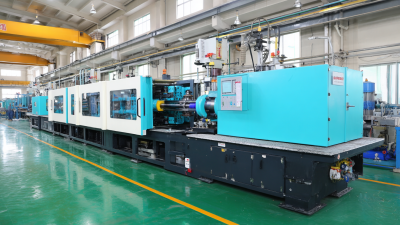
A plastic molding machine is industrial equipment that turns plastic material into shaped products. It heats pellets or resin until they become soft and flowable. Pressure then pushes the material into a mold cavity. After cooling, the machine opens the mold and releases the finished part.
The term covers several machine types, including injection, blow, compression, and rotational molding systems. An injection molding machine uses a barrel, screw, nozzle, and clamping unit. The screw melts and meters the material, while the clamp holds two mold halves together. Operators adjust temperature, injection speed, pressure, cooling time, and cycle speed. Small changes can affect strength, surface finish, and part dimensions.
Shop-floor experience shows that machine selection is rarely about tonnage alone. A buyer should check material compatibility, mold size, shot capacity, energy use, maintenance access, and control accuracy. A large machine may waste power on a small component. Too little clamping force can create flash along the parting line. The brochure may look precise. Real production is less tidy. Ambient temperature, recycled content, and operator habits can change results. Trial runs, measured samples, and clear technical records remain essential for reliable global purchasing.
How Plastic Molding Machines Work
2026 Best Plastic Molding Machine for Global Buyers?
A plastic molding machine converts polymer pellets into consistent parts through heat, pressure, and controlled cooling. The process begins when pellets enter the hopper. A rotating screw then carries them through a heated barrel. Friction adds heat, while temperature bands complete melting. The screw moves backward and stores a measured shot.
The mold closes under clamp force. Then, the screw advances and pushes molten plastic through the nozzle and gates. Pressure must remain stable during filling. Holding pressure compensates for material shrinkage as the cavity cools. After cooling, the mold opens, and ejector pins release the part. Small changes matter. A few degrees can alter flow, gloss, or warpage.
According to Plastics Europe’s Plastics—The Fast Facts 2024, global plastics production reached 413.8 million tonnes in 2023. That scale increases demand for repeatable molding and measurable energy use. Electric and hydraulic systems can both perform well, but the right choice depends on cycle speed, mold size, material, and maintenance support. ISO 20430:2020 provides safety requirements for injection molding machines, including guarding and control functions. In production, operators should record melt temperature, injection speed, pressure, cooling time, and rejected parts. A clean cycle chart can still mislead. Real molds behave differently. Moisture, recycled content, and worn seals may quietly change results. Trial runs and documented adjustments remain essential for reliable global purchasing.
How to Compare Machines for Global Production Needs
2026 Best Plastic Molding Machine for Global Buyers?
How to Compare Machines for Global Production Needs
Global buyers should compare production conditions before comparing machine prices. PlasticsEurope’s Plastics—The Fast Facts 2024 reported 413.8 million tonnes of global plastics production in 2023. That scale creates different needs across automotive, packaging, medical, and consumer products. A suitable molding machine must match material type, shot weight, mold dimensions, cycle time, and expected annual output.
Energy performance deserves close attention. The International Energy Agency identifies industrial efficiency as a major pathway for reducing manufacturing emissions. Ask suppliers for measured energy use per kilogram, not only motor ratings. Check whether the machine supports your local voltage, frequency, safety rules, and factory temperature. ISO 20430:2020 also provides useful guidance for injection molding machine safety. Compliance paperwork should be reviewed before installation, not after a shipment arrives.
Tips: Build a comparison sheet with clamping force, injection speed, repeatability, energy use, spare-part lead time, training, and warranty response. Request production samples using your actual resin and mold. A larger machine is not automatically better. Oversizing can increase energy waste and reduce control at low shot weights. However, published efficiency figures are not always comparable. Test conditions may differ. This is where buyers need careful questions, independent verification, and a little skepticism. A low purchase price may hide costly downtime, difficult maintenance, or unavailable components.
2026 Best Plastic Molding Machine for Global Buyers?
How to compare machines for global production needs: the chart shows representative mid-range specifications commonly used when matching machine capacity to product size and production volume.
Larger clamping force supports larger projected part areas, while higher shot capacity supports heavier molded parts. Final selection should also consider material type, mold dimensions, cycle time, automation, local power standards, service availability, and total cost of ownership.