How to Choose a Precision Plastics Manufacturer?
Choosing a precision plastics manufacturer is not simply a price comparison. It is a decision about process control, engineering judgment, and long-term reliability. A capable partner should understand your resin, tolerances, tooling requirements, and final-use environment. Ask how the team manages warpage, shrinkage, flash, and dimensional drift. These details often separate a dependable component from an expensive rework cycle.
John Bozzelli, a respected injection-molding consultant, emphasizes, “A robust process is the best quality-control tool.” That principle deserves practical attention. Request evidence of documented process validation, material traceability, inspection methods, and corrective-action procedures. Review actual sample parts, not only polished presentations. Look closely at edges, holes, surface finish, and consistency between samples. Ask who will respond when a tool wears or a batch varies.
Certifications may support credibility, but they do not replace technical communication. Confirm relevant systems, such as ISO 9001 or ISO 13485, when your application requires them. Discuss design-for-manufacturing support before approving the mold. A strong manufacturer should identify difficult draft angles, thin walls, weld-line risks, and unnecessary tolerances early.
No checklist is perfect. Your own specifications may be incomplete. That is why supplier selection should include honest questions, factory experience, and measurable trial results. The right precision plastics partner will explain limitations clearly, protect critical requirements, and improve the process with you. Cost matters. Repeatable performance matters more.

Define Your Precision Plastics Manufacturing Requirements
How to Choose a Precision Plastics Manufacturer?
Define Your Precision Plastics Manufacturing Requirements
A reliable project begins with a precise requirements document. State the part’s dimensions, critical tolerances, material, color, surface finish, and expected service life. Include drawings with revision numbers and clearly marked critical features. Small details matter.
Describe the working environment in practical terms. Will the part face heat, moisture, chemicals, vibration, or repeated loading? Specify the operating temperature range and cleaning method. A plastic suitable for indoor equipment may fail near heat or solvents. Mechanical requirements should include tensile strength, flexibility, impact resistance, and dimensional stability.
Production expectations also need definition. Identify annual volume, batch size, target delivery dates, packaging needs, and acceptable cosmetic defects. Explain whether the part requires molding, machining, finishing, assembly, or secondary inspection. A manufacturer should review the design for wall thickness, draft angles, shrinkage, and potential warping. Ask how measurements will be recorded and which inspection equipment will be used.
I have seen projects slow down because tolerance requirements were copied without checking their function. Do not assign extremely tight tolerances to every feature. They can increase costs without improving performance. Review each dimension with an engineer and separate functional features from appearance-only surfaces. Request a prototype or first-article inspection before full production. Compare actual results with the drawing, not assumptions. A capable manufacturer should explain limitations clearly, document process controls, and welcome reasonable questions. Mistakes happen. Transparent correction matters more.
Assess Materials, Tolerances, and Production Capabilities
How to Choose a Precision Plastics Manufacturer?
Material selection shapes every later decision. Ask whether the resin suits heat, chemicals, moisture, and repeated loading. A supplier should provide traceable material certificates and explain grade changes clearly. Do not accept “engineering plastic” as a complete answer. The exact grade matters. For tight assemblies, check shrinkage data, molding direction, and fiber orientation. These details can change a hole diameter after cooling.
Tolerances must match the function, not a drawing habit. Request inspection records from comparable parts. Useful evidence includes coordinate measuring machine reports, gauge studies, and process capability data. Cp and Cpk results can reveal whether a process stays stable over time. Ask how the supplier controls flash, warpage, sink marks, and burrs. A first article may look excellent. That proves less than many buyers expect. Production consistency matters more.
Review the complete production route. Confirm mold design, machining, molding, secondary operations, assembly, and final inspection. The manufacturer should explain machine size, clamping force, temperature control, and batch traceability. Small details count, such as how samples are conditioned before measurement. I have seen acceptable dimensions change after parts rested for two days. That possibility deserves attention. Also, challenge optimistic delivery promises. A supplier with clear limits may be more reliable than one claiming to handle everything. Some questions will expose gaps, including mine. Recheck assumptions before approving production.
Compare Equipment, Prototyping, and Production Scalability
How to Choose a Precision Plastics Manufacturer?
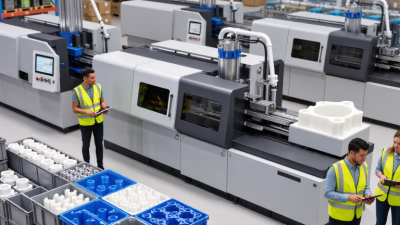
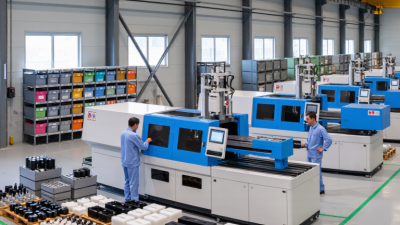
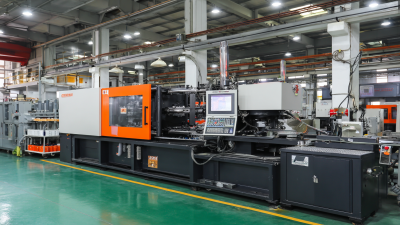
Equipment should match the part, not merely impress during a tour. Ask for injection press ranges, mold temperature control, resin drying, and automated inspection capabilities. A stable process needs more than modern machinery. It needs documented settings, maintenance records, and trained operators who understand material behavior.
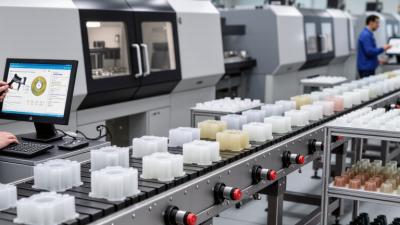
Prototyping reveals practical competence early. According to the Wohlers Report 2024, the global additive manufacturing industry reached about $20.0 billion in 2023. That growth shows why rapid prototypes are useful, but printed parts cannot fully predict molded shrinkage, weld lines, or tool wear. Request prototype samples, dimensional reports, and a clear transition plan toward production tooling. Check critical features with real gauges, not photographs. Small details matter.
Production scalability must be measured with evidence. Deloitte’s 2023 Smart Manufacturing Survey found that manufacturers reported potential production-output improvements of 10% to 20% from smart operations. However, software cannot rescue weak process control. Ask for capacity calculations, cycle-time studies, backup equipment, and quality data from comparable programs. A capable supplier should discuss Cp and Cpk results, traceability, and change-control procedures. I have seen impressive sample parts fail during volume runs. The missing piece was often resin drying or inconsistent mold cooling. A low quotation can still be a warning. Leave room for uncomfortable questions.
Review Costs, Communication, Lead Times, and Supplier Reliability
Choosing a precision plastics manufacturer requires more than comparing piece prices. Request a cost breakdown covering resin, tooling, setup, inspection, packaging, and scrap allowances. The 2024 Deloitte Smart Manufacturing Survey found that 86% of manufacturers view smart operations as a major competitiveness driver. Ask whether digital records support that claim. Can the supplier show lot traceability, inspection results, and revision control? A low quote may hide weak process discipline.
Communication affects lead time as much as machine capacity. Define response times for design questions, engineering changes, and rejected samples. Request a realistic schedule with tooling, first-article inspection, approval, and production milestones. The 2023 Deloitte Global Chief Procurement Officer Survey reported that supply disruption remains a major procurement concern, so vague promises deserve caution. Measure on-time delivery monthly, not only during qualification. A useful metric is on-time, in-full delivery against the confirmed date. Small delays can stop an assembly line.
Supplier reliability also depends on recovery behavior. Ask for backup resin sources, preventive maintenance records, and corrective-action examples. Visit the facility if the program is critical. Look for labeled material, calibrated gauges, and orderly work instructions. These details matter. I would not trust a perfect presentation alone. My own evaluation can still miss hidden subcontracting or overloaded equipment. Therefore, include a pilot order before approving full production, and review actual lead time, communication quality, and defect response. Cost remains important, but the cheapest supplier can become expensive after missed launches and repeated sorting.
How to Choose a Precision Plastics Manufacturer
Compare suppliers across the factors that most directly affect total purchasing risk: cost control, communication quality, lead-time performance, and delivery reliability.
The chart uses a 0–100 evaluation scale. Higher scores indicate stronger performance. A reliable supplier should offer competitive pricing while maintaining clear communication, predictable lead times, and consistent delivery performance.