What is Plastic Injection Molding in the USA and Its Benefits?
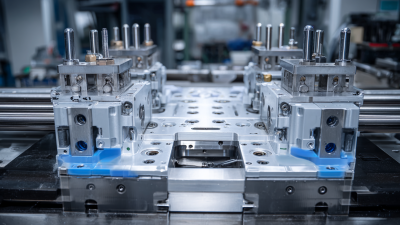
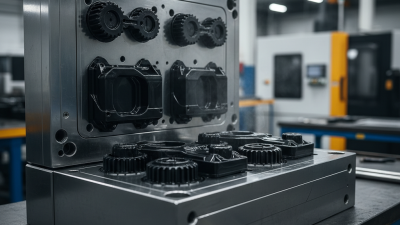
Plastic injection molding USA is a crucial manufacturing process that shapes a wide variety of products. This technique involves injecting molten plastic into a mold cavity, allowing for precise production and high-quality finishes. Many industries in the USA benefit from this method, including automotive, consumer goods, and medical devices.
The advantages of plastic injection molding are extensive. It enables high volume production, reducing costs per unit. Design flexibility is significant, as molds can create complex shapes while maintaining tight tolerances. These features make it an attractive option for companies looking to optimize their supply chains and meet customer demands efficiently.
However, challenges exist in the plastic injection molding USA landscape. The initial costs for mold creation can be high, impacting small businesses. Also, choosing the right materials is crucial; selecting inferior options can lead to product failures. Continuous learning and adaptation are vital for businesses to thrive in this competitive environment.
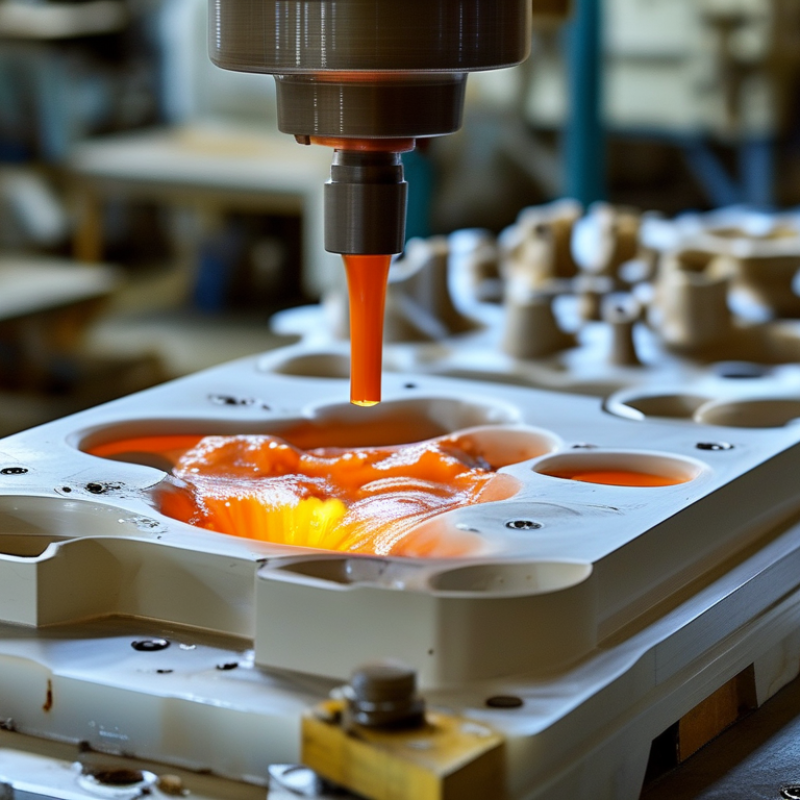
Overview of Plastic Injection Molding Process in the USA
Plastic injection molding is a crucial manufacturing process in the USA. It transforms raw plastic materials into finished products by injecting molten plastic into a mold. This method is widely used across industries, with reports suggesting that the plastic injection molding market in North America is projected to reach $24 billion by 2026, growing at a rate of 5.2% annually. This growth indicates not only increased demand but also the advantages of this manufacturing technique.
The plastic injection molding process involves several steps. First, plastic pellets are heated until they become liquid. This liquid plastic is then injected into a precisely shaped mold, where it cools and solidifies. The process is efficient, producing high volumes of parts with great accuracy and repeatability. However, it's important to note that the quality of the final product highly depends on mold design and the injection technique. Some reports show that approximately 30% of molded parts may need rework due to design flaws or material inconsistencies. This highlights the need for expertise in mold making and quality control.
In addition to efficiency and precision, plastic injection molding also offers versatility. It can create complex shapes and accommodate various plastic types. Manufacturers often face challenges, such as maintaining consistent production and managing plastic waste. Addressing these issues requires a blend of innovation and experience. Ultimately, while plastic injection molding holds significant promise, it also demands continuous improvement and expertise to maximize its potential.
Materials Used in Plastic Injection Molding
Plastic injection molding is a widely utilized manufacturing process in the USA. It relies on various materials to create durable and versatile products. Common materials used include thermoplastics and thermosetting plastics. Each offers unique properties suited for specific applications.
Thermoplastics, such as polyethylene and polypropylene, are popular for their flexibility. They can be reheated and reshaped multiple times. This characteristic makes them ideal for projects requiring complex designs. Thermosetting plastics, like epoxy and polyurethane, become hard once set. They are known for their excellent heat resistance and strength.
When choosing materials for injection molding, consider the product's end use. Some plastics are better suited for heavy-duty applications. Others might be ideal for consumer goods. It's essential to weigh your options carefully.
Tips: Always verify the compatibility of your chosen material with the desired application. Test small batches first to avoid large-scale failures. Consider the environmental impact of the materials, aiming for sustainable options when possible.
Applications and Industries Benefiting from Injection Molding
Injection molding plays a crucial role in various industries across the USA. This manufacturing process is used to create intricate parts in sectors like automotive, consumer goods, and medical devices. In 2022, the global injection molding market was valued at approximately $236 billion, with the USA accounting for a significant share. This technology allows for mass production of high-quality products, enhancing efficiency and reducing waste.
The automotive industry benefits immensely from injection molding. It enables the production of lightweight, durable components that improve fuel efficiency. Reports suggest that over 80% of automotive parts are made using injection molding, highlighting its importance in vehicle manufacturing. In the consumer goods sector, companies utilize this technology to create everything from kitchen utensils to electronic housings. The versatility of materials in injection molding allows for innovation in product design and functionality.
However, the reliance on injection molding isn't without challenges. Issues like high initial costs and long lead times can pose hurdles for new companies. Moreover, the environmental impact of plastics raises concerns, pushing industries toward sustainable alternatives. A growing trend is the development of bio-based plastics, which could reshape the future of injection molding. Addressing these concerns will be essential for the continued success of this manufacturing process in the USA.
What is Plastic Injection Molding in the USA and Its Benefits? - Applications and Industries Benefiting from Injection Molding
| Application |
Industry |
Benefits |
| Automotive Parts |
Automotive |
High precision, cost-effective production |
| Consumer Electronics Housings |
Electronics |
Smooth surface finish, lightweight |
| Packaging Containers |
Consumer Goods |
Low material waste, mass production capability |
| Medical Devices |
Healthcare |
Ability to customize, high hygiene standards |
| Furniture Components |
Furniture |
Durability, design flexibility |
Cost-Effectiveness and Production Efficiency of Injection Molding
Injection molding is a widely used manufacturing process in the USA. It offers significant cost-effectiveness and production efficiency. This method allows manufacturers to create intricate parts at a low cost. The process involves injecting molten plastic into a mold. Once cooled, the mold is opened, and the part is ejected. This rapid cycle time enables high-volume production.
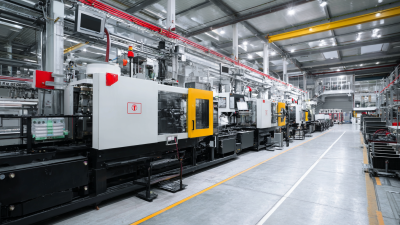
The efficiency of injection molding stems from its automation capabilities. Machines can run continuously, producing thousands of parts per hour. This reduces labor costs and time significantly. Additionally, the precision of the molds ensures minimal waste. Companies can produce parts with tight tolerances, maintaining high-quality standards. However, initial setup costs may be high. This requires careful planning and investment.
Despite its advantages, not all products are best suited for this method. The design complexity and mold fabrication can be significant challenges. Engineers often need to rethink designs to optimize costs. There are times when the mold wear leads to quality variations. Understanding these nuances can enhance decision-making. Companies must weigh the benefits against the challenges to maximize efficiency.
Environmental Considerations and Innovations in Plastic Injection Molding
Plastic injection molding is a pivotal manufacturing technique in the USA. It creates complex parts efficiently, but the environmental impact cannot be ignored. Traditional plastic production is resource-intensive and generates waste. Thankfully, innovations are emerging to mitigate these effects.
Using recycled materials is one way to reduce waste in plastic injection molding. Eco-friendly resins are gaining popularity. These materials can significantly lower carbon footprints. Moreover, advances in technology promote energy efficiency. Manufacturers are adopting machines that require less energy, which benefits both the planet and operational costs.
Tips: Consider implementing a closed-loop system. This approach reuses materials, reducing new plastic demand. Staying informed about biodegradable alternatives can lead to more sustainable practices. Lastly, regularly evaluate your processes for efficiency and sustainability; small changes can have significant impacts.