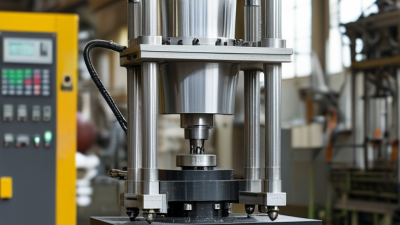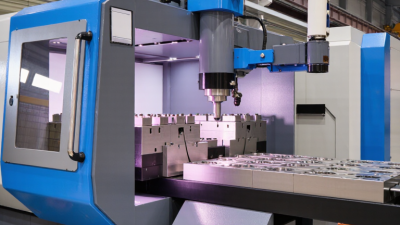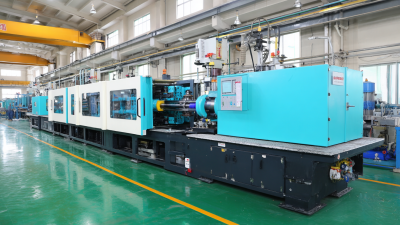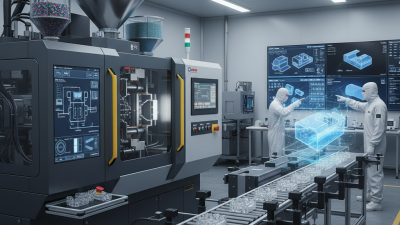
The global plastics industry is entering 2026 with strong demand for efficient, precise, and lower-energy production equipment. Grand View Research estimates that the global injection molding machine market will continue expanding through the decade, supported by packaging, automotive, medical, and consumer electronics manufacturing. Fortune Business Insights reports a similar outlook, highlighting automation, electric systems, and digital monitoring as major growth drivers.
This guide examines the Top 10 Plastic Molding Machine Manufacturers in 2026. It considers product reliability, machine accuracy, energy performance, global service coverage, and investment value. These factors matter on a factory floor. A stable machine can reduce rejected parts, while responsive maintenance support can prevent costly production delays. In medical molding, repeatability is critical. In automotive production, cycle time and clamping force often decide competitiveness.
Industry context also matters. PlasticsEurope’s recent market data shows continued global reliance on plastics, despite increasing pressure to improve recycling and resource efficiency. Manufacturers are therefore developing servo-hydraulic, all-electric, hybrid, and connected machines. The best choice depends on the application, material, mold design, and production volume.
No ranking is flawless. Regional pricing, distributor quality, and after-sales performance can change the practical value of a brand. Some manufacturers publish impressive specifications, yet real factory results may differ. This review combines reported market evidence with practical evaluation criteria, offering a balanced starting point for engineers, procurement teams, and business owners comparing leading plastic molding machine suppliers in 2026.
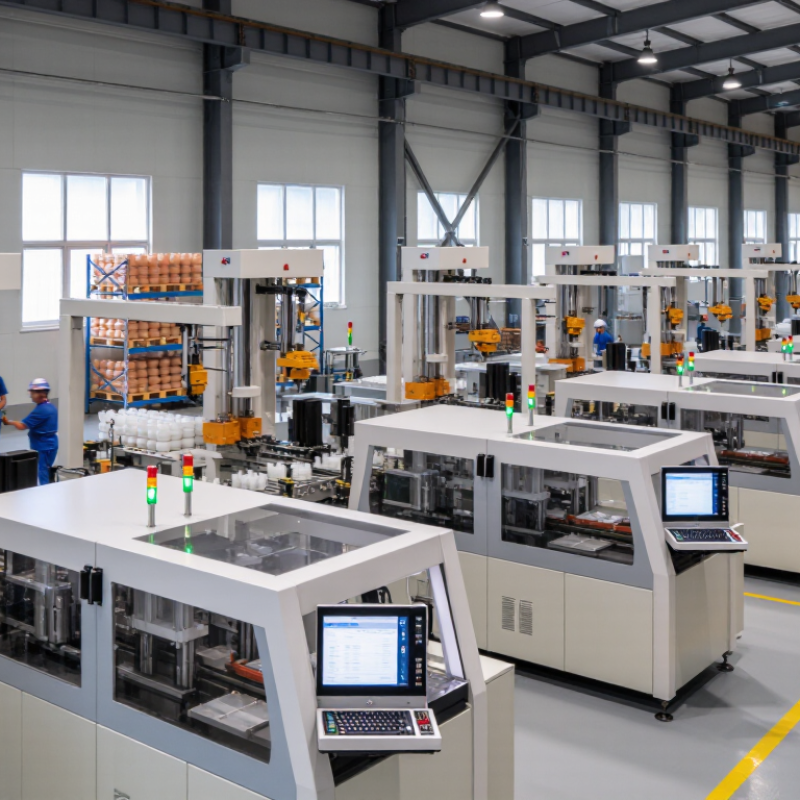
Plastic molding machines convert polymer pellets into repeatable products. They heat, mix, press, shape, cool, and eject material. Common systems support injection, blow, compression, and rotational molding. Each method fits different products, from medical housings to automotive panels. Their role extends beyond production volume. They control part weight, dimensions, surface finish, and material waste. A stable machine can make thousands of identical parts with fewer defects.
The scale is substantial. Plastics Europe reported 413.8 million tonnes of global plastics production in 2023. The International Energy Agency also identifies efficiency improvements as important for reducing industrial energy demand. This makes machine selection a technical decision, not merely a purchasing exercise. Clamp force, screw design, injection speed, cooling capacity, and control accuracy directly affect results. However, a fast cycle time can mislead. Poor cooling may create warpage, rejected parts, and hidden costs. Real factory conditions matter more than brochure figures.
Tips: Test the machine with your actual resin, mold, and cycle target. Measure energy use per finished part. Check temperature stability near the nozzle and mold. Ask for maintenance records and operator training details. A smaller machine may be more efficient, but only if it provides enough clamp force and shot capacity. Never judge performance from one sample run. Industry reports provide useful direction, yet production data should make the final decision.
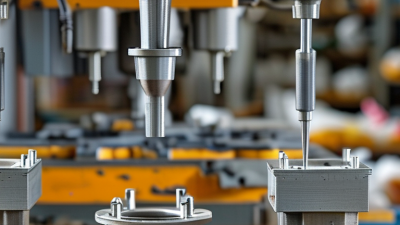
For a 2026 Top 10 ranking, machine price should not lead the scorecard. Measured performance should. Compare cycle stability, injection repeatability, clamping accuracy, and verified uptime across similar materials. Energy matters. The IEA’s Energy Technology Perspectives 2024 identifies industrial efficiency and electrification as major decarbonization priorities. Manufacturers should therefore publish energy use per kilogram, not only motor ratings. Independent testing is stronger than polished brochures.
Service evidence deserves equal weight. Score spare-parts response times, technician coverage, remote diagnostics, training quality, and documented customer outcomes. PlasticsEurope’s Plastics—The Fast Facts 2024 reports 400.3 million tonnes of global plastics production in 2022. That scale makes material savings and process consistency commercially important. The OECD Global Plastics Outlook projects plastic waste could almost triple by 2060, adding pressure for lightweighting, recycled-content processing, and reliable quality control. A credible ranking should examine whether machines handle these inputs without excessive rejects. Public data can be incomplete. That weakness needs disclosure.
Lifecycle cost should combine purchase price, electricity, maintenance, tooling compatibility, software security, and resale value. Compliance with recognized safety and machinery standards also matters, but certificates alone cannot prove factory performance. Site visits, audited production records, and interviews with experienced operators provide better evidence. Even then, rankings remain imperfect because climate, labor skills, and product design affect results. A transparent scoring model should show its assumptions, weighting, test conditions, and missing evidence.
| No. | Ranking Criterion | How It Is Measured | Recommended Weight | Objective Evidence to Review | Why It Matters to Buyers | Maximum Score |
|---|---|---|---|---|---|---|
| 1 | Machine Performance and Repeatability | Assessment of injection repeatability, pressure stability, cycle consistency, clamp-force accuracy, and shot-size control under comparable operating conditions. | 20% | Factory test reports, acceptance-test records, process capability data, and independently witnessed machine trials. | Stable process performance reduces defects, material waste, and production interruptions. | 20 points |
| 2 | Energy Efficiency | Comparison of specific energy consumption, measured in kWh per kilogram of processed material, for equivalent machine size and production conditions. | 15% | Verified energy-test results, motor and pump specifications, efficiency ratings, and documented operating data. | Lower energy consumption can reduce operating costs and support corporate carbon-reduction targets. | 15 points |
| 3 | Product Range and Technology Coverage | Evaluation of available hydraulic, all-electric, hybrid, vertical, two-platen, multi-material, and specialized molding platforms. | 12% | Published product specifications, machine size ranges, injection-unit options, and application documentation. | A broad portfolio helps manufacturers select equipment for different materials, part sizes, and production volumes. | 12 points |
| 4 | Automation and Industry 4.0 Capability | Scoring of machine connectivity, production-data collection, remote diagnostics, recipe management, traceability, and integration with factory systems. | 10% | Controller documentation, communication protocols, digital dashboards, integration examples, and cybersecurity procedures. | Connected machines improve production visibility, preventive maintenance, and quality traceability. | 10 points |
| 5 | Reliability and Serviceability | Review of machine uptime, component durability, maintenance access, spare-parts availability, and documented failure-response procedures. | 10% | Warranty terms, service-level agreements, maintenance schedules, spare-parts policies, and verified customer references. | Reliable equipment protects delivery schedules and lowers the total cost of ownership. | 10 points |
| 6 | Safety and Regulatory Compliance | Assessment of guarding, emergency-stop systems, safety interlocks, risk assessment, electrical protection, and conformity documentation. | 10% | Declarations of conformity, safety test records, technical files, operating manuals, and applicable regional compliance documents. | Proper safety engineering protects operators and supports lawful installation in international markets. | 10 points |
| 7 | Build Quality and Component Standards | Evaluation of frame rigidity, clamping accuracy, hydraulic or electric drive quality, controller stability, and component traceability. | 8% | Manufacturing inspection procedures, component specifications, quality-control records, and sample-machine audits. | Higher build quality generally improves machine life, repeatability, and long-term production stability. | 8 points |
| 8 | Application Engineering and Customization | Ability to configure machines for technical polymers, recycled materials, thin-wall parts, insert molding, high-speed production, or clean manufacturing. | 6% | Application studies, mold-trial records, material-processing guides, customized layouts, and engineering support procedures. | Correct machine configuration improves part quality and prevents costly under-sizing or over-specification. | 6 points |
| 9 | Sustainability and Circular-Economy Support | Review of compatibility with recycled and bio-based materials, energy-saving functions, material-loss reduction, and machine-life extension practices. | 5% | Material-processing trials, environmental objectives, lifecycle policies, refurbishment programs, and measurable resource-efficiency data. | Supports lower environmental impact while helping processors meet customer and regulatory sustainability requirements. | 5 points |
| 10 | Total Cost of Ownership and Customer Value | Five- to ten-year assessment covering purchase price, installation, energy, maintenance, spare parts, labor, downtime, and resale value. | 4% | Formal quotations, lifecycle-cost models, service costs, financing terms, operating assumptions, and independently checked references. | The lowest purchase price does not always provide the lowest cost per finished part over the machine’s operating life. | 4 points |
| Ranking method: Each manufacturer should be scored against the same evidence requirements. Weighted scores total 100 points, and claims should be validated through technical documents, factory audits, machine trials, and customer references. | ||||||
The 2026 profiles examine ten leading plastic molding machine manufacturers through technology, regional reach, and production experience. Their portfolios span hydraulic, electric, hybrid, and multi-material systems. According to Grand View Research, the global injection molding machine market was valued at about USD 15 billion in 2023. Demand continues to grow in packaging, automotive components, medical devices, and consumer electronics.
One profiled manufacturer focuses on high-speed electric presses for thin-wall packaging. Another specializes in large hydraulic machines for vehicle panels. A third develops compact systems for precision medical parts. The remaining profiles cover multi-component molding, PET preform production, micro-molding, vertical machines, recycled-material processing, turnkey automation, and energy-efficient hybrid platforms. MarketsandMarkets expects the injection molding machine market to expand steadily through 2028, supported by automation and lightweight product design. Energy matters.
The profiles also compare clamping force, injection repeatability, cycle time, after-sales support, and digital monitoring. A useful machine should hold stable pressure when resin temperature changes. That detail is easy to overlook. PlasticsEurope reported global plastics production near 414 million tonnes in 2023, showing the scale of the processing industry. However, market rankings remain imperfect. Sales figures are often private, regional definitions differ, and installed-machine data can be incomplete. Buyers should verify service response, spare-part availability, mold compatibility, and measured energy use before trusting promotional claims.
In 2026, the strongest plastic molding machine manufacturers are judged beyond sales volume. Their technology must improve repeatability, energy control, and operator safety. Electric systems can reduce idle consumption and stabilize cycle timing. Hybrid platforms offer a useful balance for demanding production lines. Advanced controllers track pressure, temperature, screw position, and cycle deviations in real time. Useful data, not decoration. A serious manufacturer also supports integration with robots, dryers, inspection cameras, and factory software.
Product range separates a broad global supplier from a narrow specialist. The top ten should cover small packaging presses, medium injection units, and large machines for automotive components. They should provide multi-material, high-speed, thin-wall, and precision molding options. Mold compatibility matters. So do quick-change systems and accessible maintenance points. In field evaluations, technicians often value stable parts availability more than glossy specifications. That practical detail is easy to overlook.
Global market position depends on more than export numbers. Regional service centers, training teams, spare-parts warehouses, and documented commissioning procedures reveal operational maturity. Reliable suppliers publish performance limits and test methods instead of promising universal results. Still, rankings remain imperfect. Public data may be delayed, and customer results vary with molds, resins, and local skills. I would examine warranty response times, installed-machine references, and energy readings from comparable cycles. One weakness remains common: digital features can look impressive, yet deliver little value without trained users and clean production data.
A Top 10 list can narrow your search, but it cannot choose your machine. Start with your product details, including resin type, shot weight, mold dimensions, cycle time, and expected annual output. A supplier should calculate clamp force from your mold and material data. Ask for the calculation in writing. Guesswork becomes expensive very quickly.
Visit the manufacturer’s test area when possible. Watch a machine produce your actual part, not a simple sample. Check cycle stability, part weight variation, surface finish, and rejected pieces. Ask how technicians handle hydraulic leaks, controller faults, and delayed spare parts. Response time matters more than impressive brochures. Request references from factories with similar production conditions. Their feedback often reveals details sales teams omit.
Review the full ownership cost, not only the purchase price. Compare energy use, mold-change time, maintenance access, training, software support, and warranty limits. A lower-cost machine may require more downtime or specialized service. Check whether key components remain available after several years. Also examine factory quality records, inspection procedures, and operator safety training. Certification helps, but it is not proof of excellent production. A polished audit can still miss daily problems. My own selection process would include a written trial plan, though I would revise it after seeing real defects. That imperfect step can expose assumptions before installation.
Energy consumption is a practical benchmark when comparing plastic molding machine manufacturers. Typical injection molding machine consumption is approximately 0.80–1.20 kWh/kg for hydraulic systems, 0.45–0.75 kWh/kg for hybrid systems, and 0.25–0.55 kWh/kg for all-electric systems. Actual performance depends on material, mold design, cycle time, machine size, and operating conditions.
Use these ranges together with repeatability, clamping-force accuracy, service coverage, spare-parts availability, safety compliance, and total cost of ownership when evaluating manufacturers.
880 W 9th Street
Upland, California 91786
884 W 9th Street
Upland, California 91786
886 W 9th Street
Upland, California 91786
884 W 9th Street
Upland, California 91786